Stories
Protein Craze: Why Everything from Snacks to Sweets is Now "High-Protein"
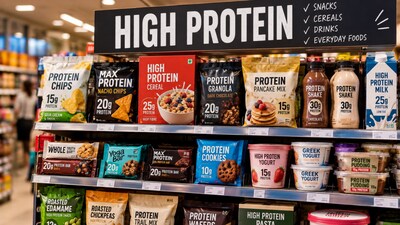
- •Protein has moved beyond the gym, becoming a major selling point in supermarkets, with everyday foods now marketed with added protein.
- •The "protein-maxxed" phenomenon is global, with India also experiencing a protein boom and brands offering smaller, affordable packs.
- •Protein is now part of the wellness language, with snacks, drinks, and even indulgent treats being positioned as protein-rich.
- •While protein is essential for muscles and fullness, the "high protein" label can create a "health halo," as products may still be highly processed or contain unhealthy amounts of sugar, fat, or sodium.
- •The rise of protein-enhanced foods also reflects a demand for convenience, offering protein without extensive preparation, especially appealing to younger consumers with busy schedules.
Key Questions Answered
Protein has escaped the gym and become a major selling point in modern supermarkets as fitness and wellness move into mainstream lifestyle habits. Consumers view protein as an essential nutrient for maintaining tissues and feeling full, creating a powerful marketing trend where everyday foods are marketed with added protein for convenience.
No, a product can feature high-protein claims while still being highly processed or containing significant amounts of sugar, saturated fat, or sodium. Terms like high-protein create a health halo that can overshadow the rest of the nutritional profile, meaning a protein cookie is still just a cookie.
Companies and restaurant chains are introducing protein-focused drinks, snacks, and smaller, more affordable packs to encourage everyday consumption. This industry response comes even as businesses navigate rising whey prices and supply pressures.