Stories
India Cracks Down on Junk Food Near Schools Amid Rising Child Obesity
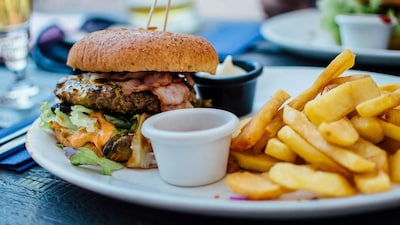
- •India proposes new regulations to restrict the sale of high-fat, sugar, and salt (HFSS) foods within 50 meters of schools to combat rising child obesity.
- •The new rule would impact local stores, restaurants, and multinational companies like PepsiCo, Coca-Cola, Mondelez, and Nestle, which already face proposed warning label requirements.
- •The Food Safety and Standards Authority of India (FSSAI) aims to discourage unhealthy eating habits early on, with CEO Rajit Punhani stating it won't significantly impact businesses as non-HFSS foods can still be sold.
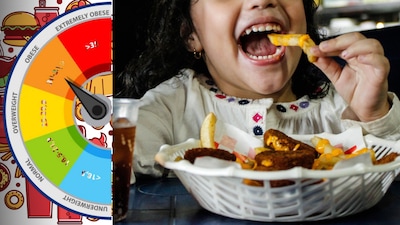
- •Child obesity in India is surging, with projections showing a rise from 28 million in 2015 to 56 million by 2040, driven by changing diets and the popularity of affordable junk food.
- •The western state of Maharashtra has already implemented stricter rules, banning all HFSS products within 50 meters of schools, leading to violations found in 133 shops and 51 ordered to close.
Key Questions Answered
India is moving toward regulations that would ban the sale of foods high in fat, sugar, and salt within a 50-metre radius of schools. This rule targets family-run stores, restaurants, and food stands selling chips, soft drinks, and greasy snacks, aiming to reduce rising childhood obesity rates.
While federal proposals invite public feedback and court review, Maharashtra's state food safety commissioner has taken a stricter stance, stating that no shop within 50 metres of schools can stock high-fat, sugar, and salt products. State inspectors have already found violations at 133 shops and ordered 51 to shut down operations.
The number of Indian children aged 5 to 19 who are overweight or obese surged to 41 million by 2025 and is projected to reach 56 million by 2040. Changing diets, cheap junk-food availability, and reduced physical activity are driving this rapid increase in childhood nutrition issues.