Stories
Decode Food Labels: Unmasking "Healthy" Claims for Smarter Choices

N
News18•30-09-2026, 18:45
Decode Food Labels: Unmasking "Healthy" Claims for Smarter Choices
- •Food labels often use terms like ‘natural’ or ‘sugar-free’ that can be misleading, making products seem healthier than they are.
- •Multigrain products may contain only refined grains; look for ‘whole wheat’ or ‘whole grain’ at the top of the ingredient list for genuine nutrition.
- •‘No added sugar’ doesn't mean sugar-free; natural sugars from fruits or dairy can still contribute significantly to the total sugar count.
- •Sugar-free snacks often replace sugar with artificial sweeteners or fats, potentially remaining high in calories and saturated fats.
- •High-protein claims don't guarantee overall health, as many protein snacks can also be high in sodium, saturated fat, or hidden sugars.
- •Plant-based foods are cholesterol-free but can be high in saturated fats and sodium; reduced fat versions may have added sugar or salt for flavor.
- •‘No preservatives’ doesn't automatically make a food healthier; products may rely on heavy processing or specialized packaging instead.
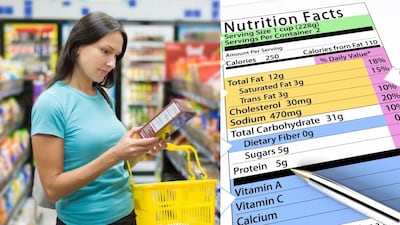
- •Always check the back panel for ingredient order, serving size, calories, protein, total sugar, saturated fat, sodium, and fiber content before buying.
Key Questions Answered
Multigrain means a product contains more than one type of grain, but they might all be refined. To ensure genuine whole-grain nutrition, look for terms like “whole wheat” or “whole grain” at the very top of the ingredient list.
No, sugar-free snacks often replace sugar with artificial sweeteners or fats to maintain their taste. Products like sugar-free biscuits or chocolates can still be high in calories and saturated fats, meaning you should always review the overall energy value before buying.
Not necessarily, as products without preservatives may still rely on heavy processing, freezing, or specialized packaging. A lack of preservatives does not automatically make a food item more nutritious or lower in calories.