Stories
Are You Falling For Healthy Food Labels? The Truth Behind Buzzwords
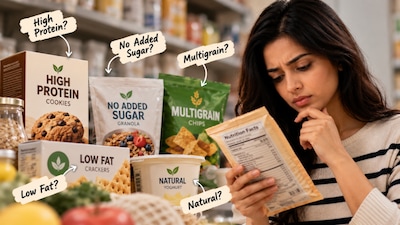
- •Food packaging claims like high protein or no added sugar can act as a get-out-of-jail card, causing shoppers to ignore overall nutritional content and portion sizes.
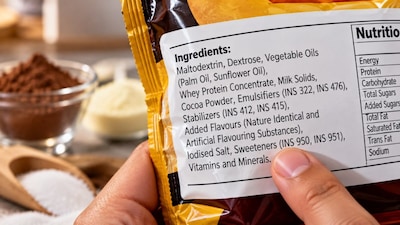
- •A no added sugar label does not mean sugar-free or carbohydrate-free, and products often contain hidden starches or sweeteners like maltodextrin.
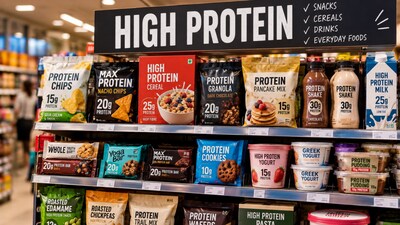
- •High-protein cookies or breads can still be heavily loaded with refined flour, seed oils, and saturated fats despite the wellness hype.
- •Multigrain simply means more than one type of grain is used, which does not automatically guarantee the presence of whole grains or high fiber.
- •Marketing terms like natural and clean are vague and do not provide a complete picture of a product's true nutritional quality or balance.
Key Questions Answered
A 'no added sugar' label indicates that no sugar was introduced during processing, but it does not mean the product is sugar-free or carbohydrate-free. As keto coach Rahul Kamra notes, such products can still contain hidden sources of carbohydrates like fruit concentrates and maltodextrin.
While protein is an essential nutrient, a high-protein claim can act as a marketing halo that distracts shoppers from other ingredients. Products like high-protein chips or cookies can still be heavily loaded with refined flour, sodium, saturated fat, and added sugars.
The terms 'multigrain' and 'whole grain' are not interchangeable. Multigrain simply indicates that a product contains more than one type of grain, but it does not guarantee that those grains are whole or that the product doesn't contain refined flour.