Stories
Decoding Food Labels: What "Natural," "No Added Sugar," and Other Claims Really Mean
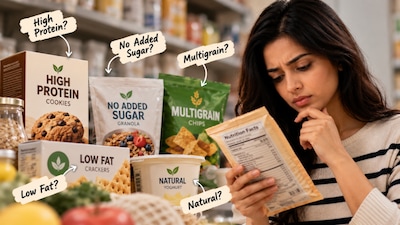
- •"Natural" doesn't always mean healthy; it indicates minimal processing but can still be high in sugar, fat, or calories. Always check the full nutritional information.
- •"Multigrain" means multiple grains, but not necessarily whole grains. Look for "whole wheat" or "whole grain" in ingredients for whole grain products.
- •"No added sugar" means no extra sugar was added, but natural sugars from fruits can still be present. Check total sugar content on the nutrition panel.
- •"Sugar-free" products can still contain calories from non-sugar sweeteners or fats. Don't confuse "sugar-free" with "low-calorie" without checking energy values.
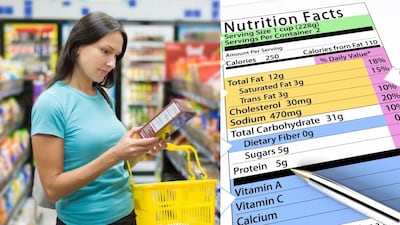
- •Claims like "high-protein" or "zero cholesterol" don't guarantee overall nutritional balance. Always review saturated fat, sodium, sugar, and fiber content.
Key Questions Answered
The word "natural" indicates that a food item is minimally processed, free from adulteration, or nutritionally superior, but it does not automatically mean the product is healthy or low in sugar, fat, or calories. Shoppers should always check the complete nutritional panel on the back of the package.
"Sugar-free" only means that manufacturers did not use added sugar according to specific regulations, but it does not mean the item is calorie-free or low-calorie. Sugar-free biscuits and chocolates can still contain significant amounts of fat and alternative energy-providing ingredients.
The FSSAI has cracked down on consumer brands engaging in health-washing, issuing notices to companies like Emami Healthy & Tasty, Heritage Foods, and Red Bull for unsubstantiated marketing claims like 100 percent natural and zero maida.