Stories
Experts: Front-of-Pack Warnings Empower Healthier Food Choices

- •Front-of-pack warning labels on packaged foods, identifying high levels of added sugar, fat, or salt, can make nutritional risks visible and aid informed consumer choices.
- •FSSAI proposes a red hexagonal warning for products exceeding specified thresholds for nutrients of concern, based on ICMR-NIN Dietary Guidelines for Indians, 2024.
- •Experts emphasize that while labels are crucial, they must be accompanied by broader nutrition education to help consumers understand the implications of excessive nutrient intake.
- •The warnings aim to simplify nutritional information, making it accessible at the point of purchase, and encourage manufacturers to reformulate products.
- •Front-of-pack labeling should be part of a comprehensive public health strategy, including nutrition literacy, healthier food environments, and access to affordable nutritious options.
Key Questions Answered
The Food Safety and Standards Authority of India (FSSAI) has proposed a red hexagonal warning on the front of packaged food products that exceed specified thresholds for nutrients of concern like added sugar, added fat, or salt, based on the ICMR-NIN Dietary Guidelines for Indians, 2024.
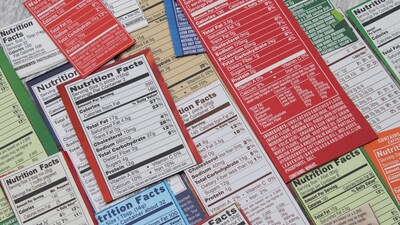
Experts note that consumers typically lack the time or expertise to read detailed nutritional tables buried on the back of packs. Prominent front-of-pack warnings make nutritional risks immediately visible at the point of purchase, helping people make more informed choices and encouraging manufacturers to reformulate healthier products.
Health experts emphasize that labelling should be part of a broader public-health strategy that includes nutrition education in local languages, healthier food environments, and better access to affordable, nutritious foods so consumers truly understand the warnings.