Stories
The Fascinating Science Behind Why Soap Foam Is Always White
N
News18•14-10-2026, 15:24
The Fascinating Science Behind Why Soap Foam Is Always White
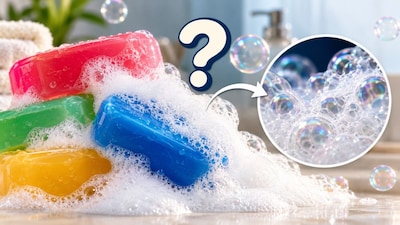
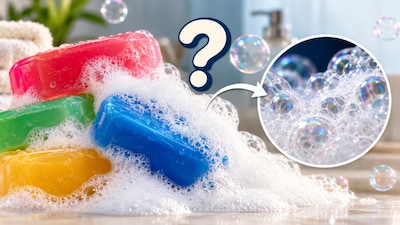
- •Soap foam always appears white due to the way light scatters across countless tiny bubbles and curved surfaces.
- •Sunlight and common light sources contain a spectrum of colors, which get scattered in multiple directions when hitting soap bubbles, resulting in a white appearance.
- •The concentration of colorants in soap is usually too low in the thin bubble films to overpower the intense scattering of white light.
- •Similar optical principles explain why clouds and snow also appear white, as water droplets and ice crystals scatter visible light in all directions.
- •Thin soap films can sometimes display rainbow-like patterns due to light interference, though the bulk foam typically remains white.
Key Questions Answered
Soap foam appears white because of light scattering, where countless tiny soap bubbles interact with curved surfaces and scatter visible light in multiple directions, combining the spectrum's colours into white.
Although dyes give soap its distinct colour, their concentration in the thin films forming the foam is very low. As the soap spreads into numerous tiny bubbles, the colour becomes diluted and less noticeable against the strong scattering of white light.
Yes, similar optical principles explain why clouds and snow appear white. Tiny water droplets, ice crystals, and air pockets in clouds and snow scatter visible light in various directions, making them look white when illuminated by sunlight.