Stories
Maharashtra Drought Sparks Inflation Fears, Threatens Key Crops
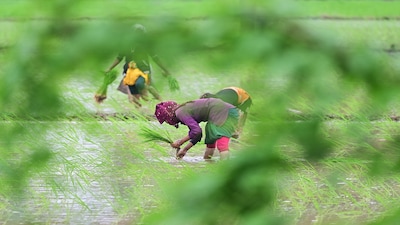
- •A prolonged 21-day dry spell in Maharashtra endangers maize, soybean, and sugarcane, raising concerns about higher feed costs for poultry, dairy, and livestock sectors.
- •Maharashtra, a major producer of soybean (nearly half of India's output), maize (11%), and sugarcane (nearly a quarter), faces potential supply-side shocks leading to inflationary effects.
- •Lower availability of maize and soybean could increase raw material and animal-feed costs, potentially driving up prices for milk, eggs, meat, and other food products.
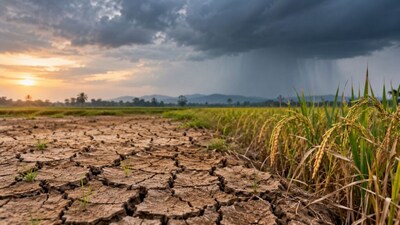
- •The Maharashtra government declared drought in 265 of 358 talukas (74% of the state) due to deficient rainfall and dry spells during the 2026 kharif season, impacting crops like soybean, maize, cotton, and pulses.
- •Experts suggest measures like sourcing from surplus states, ensuring seed availability, supporting farmers, and facilitating imports of feed ingredients to prevent wider food inflation.
Key Questions Answered
The Maharashtra government declared a drought in 265 of the state's 358 talukas after deficient rainfall and a prolonged dry spell lasting over 21 days hit crops during the 2026 kharif season, triggering the state's first-stage drought warning mechanism.
The drought threatens key animal-feed crops like maize and soybean, tightening raw material supplies and increasing input costs for poultry and dairy sectors. These higher production costs can eventually transmit through the value chain to raise consumer prices for milk, eggs, and meat.
Experts suggest sourcing maize and soybean from surplus states, maintaining seed availability, utilizing alternative feed ingredients like sorghum and millet, and facilitating imports if domestic supplies tighten significantly. Additionally, Chief Minister Devendra Fadnavis directed district collectors to immediately begin crop-damage assessments for relief efforts.