Stories
ICRIER's Ramesh Chand Predicts Near-Zero Farm Growth Due to El Nino
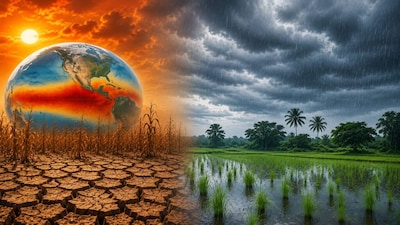
- •Agricultural growth in India is expected to remain close to zero this year due to the severe impact of El Nino on crop production.
- •ICRIER Distinguished Professor Ramesh Chand projects a 4% decline in crop output, similar to the conditions witnessed in 2015.
- •Coarse grains, pulses, and oilseeds are expected to bear the maximum impact due to heavy reliance on monsoon rainfall.
- •Food inflation remains a significant concern, driven by global supply disruptions, delayed sowing, and unfavorable weather conditions.
- •Increased government spending on drought relief measures and higher fertilizer subsidies may put additional pressure on fiscal expenditures.
Key Questions Answered
Ramesh Chand projects that India's agricultural growth could remain close to zero this year due to El Niño impacts, with a crop output decline of around 4% similar to the conditions seen in 2015. He also cautioned that if El Niño persists through the rabi season, agricultural gross value added could slip into negative territory.
Coarse grains, pulses, and oilseeds are expected to bear the biggest impact because they depend heavily on rainfall and have limited irrigation coverage, such as soybean where more than 95% is rain-fed. Rice production is also expected to face some pressure due to delayed sowing and poor conditions in states like Bihar.
Global supply disruptions, tight international supplies, and adverse weather affecting exporting countries have kept food inflation under pressure, with food inflation already crossing 7% in September. This situation, combined with high freight costs and geopolitical factors, has raised concerns over import-dependent items like edible oils and pulses.