Stories
October Heatwave Intensifies Maharashtra Water Crisis as Drought Affects Millions
- •Maharashtra is facing severe water shortages due to a deficient monsoon, high temperatures exceeding 38 degrees Celsius, and El Nino concerns affecting reservoirs and agriculture.
- •The state government declared drought in 265 of 358 talukas on September 26, directing municipal bodies to implement a minimum 10 per cent water cut starting October 16.
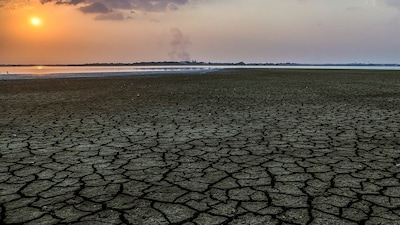
- •Major cities are enforcing strict conservation, with Nagpur imposing Rs 5,000 fines for water wastage, Pune scheduling weekly cuts, and Chhatrapati Sambhajinagar battling massive evaporation losses at Jayakwadi Dam.
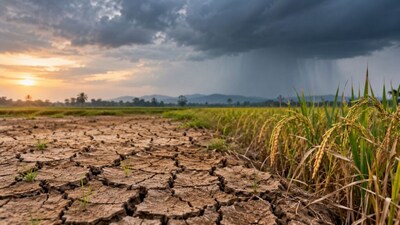
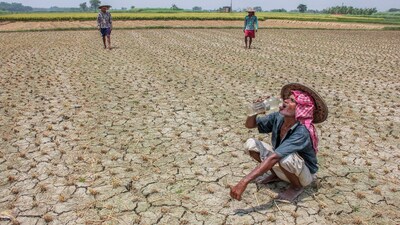
- •Farmers in northern Maharashtra, particularly grape growers in Nashik, anticipate harvest losses of around 40 per cent as vital crops like cotton, soybean, and sugarcane suffer from prolonged dryness.
- •Authorities are deploying water tankers to affected districts, planning assistance for rural livelihoods, and preparing a comprehensive water management plan extending until August 2027.
Key Questions Answered
The Maharashtra government declared a drought due to an inadequate monsoon rainfall deficit of about 18 percent, prolonged dry spells lasting 40 to 60 days, high temperatures exceeding 38 degrees Celsius, and El Nino concerns affecting 265 out of 358 talukas.
Authorities directed municipal corporations and gram panchayats to enforce a minimum 10 percent water cut starting October 16. Industries must recycle at least 30 percent of consumed water, and cities like Nagpur introduced hefty fines for water wastage while Pune planned weekly supply cuts.
The drought has severely damaged Kharif crops like soybean, cotton, and tur, while North Maharashtra grape farmers anticipate harvest losses of around 40 percent. Additionally, the crisis threatens livestock fodder, leading to distress and severe economic hardship for millions of agricultural workers.