Stories
South Africa's Acacia Invasion: From Sand Stabilizer to Water Crisis
M
Moneycontrol•30-09-2026, 20:01
South Africa's Acacia Invasion: From Sand Stabilizer to Water Crisis
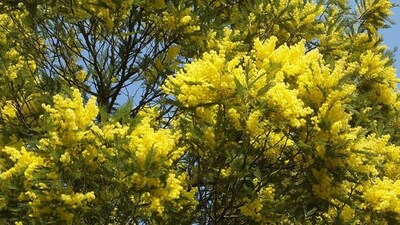
- •Australian acacias, introduced in the 19th century to stabilize sand and provide timber in South Africa, became invasive, significantly reducing water flow in river catchments.
- •Species like Acacia mearnsii spread extensively, particularly in riverine environments, leading to substantial reductions in natural river flow, with some catchments experiencing drops of over 22%.
- •Studies showed alien acacia stands consumed nearly six times more water annually than indigenous vegetation, highlighting their impact on water availability.
- •South Africa launched the Working for Water Programme in 1995 to combat invasive plants, clearing over 2.5 million hectares and creating rural employment.
- •Clearing invasive acacias is a long-term management task, as restoration of native ecosystems is complex and requires ongoing follow-up management and active restoration efforts.
Key Questions Answered
South Africa imported Australian acacias during the 19th century for practical purposes, which included stabilising shifting dunes, protecting roads from sand storms, and supplying timber or firewood.
Invasive Acacia mearnsii trees consume significantly more water than indigenous plants—nearly six times higher in comparative studies—leading to reduced natural river flows and severe streamflow depletion across several key catchments.
Implemented in 1995, the Working for Water Programme is a South African initiative designed to combat invasive alien plants through job creation, rural employment, and vocational training while clearing millions of hectares of vegetation.