Stories
Latur Prepares Water and Fodder Plans Amid Falling Groundwater Levels

- •Authorities in Latur have initiated a contingency plan to manage water resources and tackle anticipated fodder shortages due to prevailing drought conditions.
- •Additional Chief Secretary Manisha Mhaiskar emphasized the judicious use of water in irrigation projects, prioritizing drinking water supply through August next year.
- •Collector Dr Bharat Bastewad reported that inadequate rainfall has caused extensive crop damage and groundwater levels have dropped by around 4.58 metres.
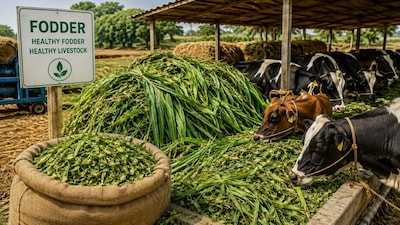
- •The district currently holds fodder stocks sufficient for about 100 days, with the animal husbandry department preparing a comprehensive supply plan for the coming months.
- •The Maharashtra government previously declared drought in 265 of its 358 talukas amid a significant rainfall deficit across the state.
Key Questions Answered
Authorities in Latur held a review meeting to prepare a contingency plan for managing available water resources, prioritizing drinking water, and tackling a fodder shortage caused by deficient rainfall and dropping groundwater levels. Drinking water supplies are being planned according to project-wise reservations through August next year, alternative sources are being identified, and government wells, borewells, and hand pumps are being repaired. Additionally, the district is acquiring borewells and wells to maintain water supply in drought-affected villages, and the animal husbandry department is preparing a comprehensive fodder supply plan.
On September 26, the Maharashtra government declared a drought in 265 out of its 358 talukas, representing 74 percent of the state, due to a severe rainfall deficit. To support affected regions, the government announced various relief measures, including crop loan restructuring, land revenue concessions, and power bill subsidies.
Distressed farmers facing a severe fodder crisis due to poor rainfall and dried grazing lands have been forced to harvest their standing sugarcane crops and collect dried soybean stalks to feed their hungry livestock. To help ease the situation, the animal husbandry department has been asked to encourage farmers with sufficient water for the rabi season to cultivate fodder.