Stories
Saving the Great Indian Bustard: A Quiet Conservation Success Story in Rajasthan
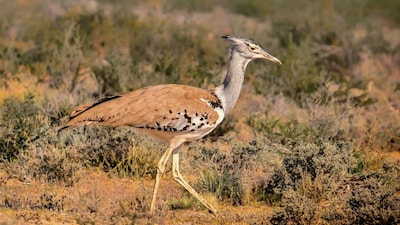
- •While conservation efforts often focus on tigers and elephants, the Great Indian Bustard (Godavan) faces critical endangerment in Rajasthan's desert landscapes.
- •Diageo India's Mr. Navdeep Singh Mehram emphasizes on-ground, trust-building conservation, identifying gaps rather than seeking PR or duplicating existing efforts.
- •Key interventions include creating small water points for the shy birds, restoring native sewan grasslands with local community involvement, and supporting egg/chick survival.
- •Specialized support systems, including vehicles for safe egg retrieval, have helped recover around 20 eggs, a significant contribution for this slow-reproducing species.
- •Efforts also focus on reducing threats from stray dogs through sterilization programs and minimizing human-wildlife conflict by developing fodder closer to villages, redesigning access rather than restricting it.
- •The collaborative approach, aligning the Wildlife Institute, forest department, and local communities, has seen the population gradually increase from 110-120 to over 150 birds.
Key Questions Answered
Conservation efforts for the Great Indian Bustard (Godavan) involve ground-level interventions such as establishing safe water points along natural movement routes, restoring native grasslands like sewan with local communities, deploying desert-capable vehicles to protect fragile single eggs and chicks, and implementing stray dog sterilisation programs to reduce predator threats.
Breeding centres in Rajasthan's Jaisalmer district—such as the Sudashri and Ramdevra facilities—utilize captive breeding, artificial insemination, and controlled environments to successfully hatch chicks, increasing captive and center counts significantly over time.
The jumpstart approach involves swapping an infertile egg laid by a wild female with a fertile captive-bred egg transported from Rajasthan in a portable incubator, successfully enabling a wild female in Kutch to incubate and raise a chick.