Stories
Argan Tree Rivals Aleppo Pine for Soil Restoration in Arid Mediterranean Regions
M
Moneycontrol•01-10-2026, 20:31
Argan Tree Rivals Aleppo Pine for Soil Restoration in Arid Mediterranean Regions
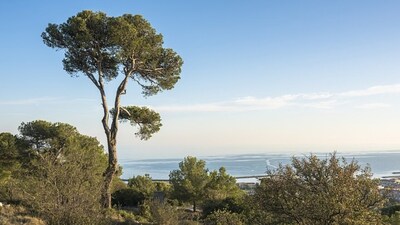
- •Spain extensively planted Aleppo pine (Pinus halepensis) for reforestation from 1940-1970, covering nearly 500,000 hectares to restore degraded Mediterranean landscapes.
- •A new study published in Plant and Soil (July 2026) compares argan (Argania spinosa) and Aleppo pine, finding both significantly improve soil organic matter, nutrient availability, and microbial activity compared to bare soil.
- •Despite biochemical differences, argan and Aleppo pine showed similar overall soil improvement, with organic matter at 12.13% and 11.74% respectively, versus 4.51% in bare soil.
- •Argan, native to arid Moroccan regions, is identified as a promising alternative for reforestation in Mediterranean areas facing increasing aridity, offering similar soil regeneration benefits to Aleppo pine.
- •While the study was conducted at a single location and compared existing stands, it suggests argan could be a valuable climate-adapted tree for future reforestation projects as drought conditions intensify.
Key Questions Answered
Spain planted a combined total of 496,220 hectares of Aleppo pine between 1940 and 1970, which includes both administrative reforestation and private plantings.
A recent study published in July 2026 suggests the argan tree (Argania spinosa), native to Morocco, as a potential alternative for land restoration in semi-arid Mediterranean regions facing increasing aridity.
Both tree species significantly increase soil organic matter compared to bare ground, with organic matter measuring 12.13% beneath argan and 11.74% beneath pine, compared to just 4.51% in bare soil.