Stories
China's JL Mag Dominates Rare-Earth Magnets, Giving Xi Leverage Over US
- •JL Mag Rare Earth Co., the world's top high-performance magnet maker, is expanding its production, solidifying China's commanding position in the rare-earth supply chain.
- •Despite US efforts to develop alternative rare-earth sources, China's dominance extends beyond mining to sophisticated magnet production and components, creating a moving target for competitors.
- •JL Mag's capacity far exceeds US rivals, supplying major EV players like Tesla and Volkswagen, and is now targeting the rapidly growing humanoid robotics sector.
- •The company's growth is bolstered by government support, strategic clusters like Baotou, and a significant cost advantage, making it difficult for Western companies to compete.
- •China's rare-earth magnet manufacturing accounts for 94% of the global share, with JL Mag expecting to maintain dominance in cost, scale, quality, and customization even as Western alternatives emerge.
Key Questions Answered
JL Mag is the world's top maker of high-performance rare-earth magnets, accounting for an estimated 10% to 20% of the global market and serving major electric vehicle and robotics brands like Tesla. Between 2019 and 2025, the company's annual capacity more than quadrupled, and it aims to boost production further with major expansions in Baotou and Monterrey.
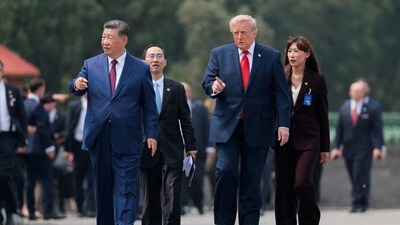
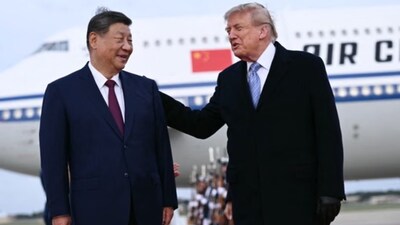
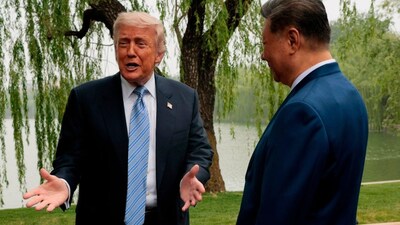
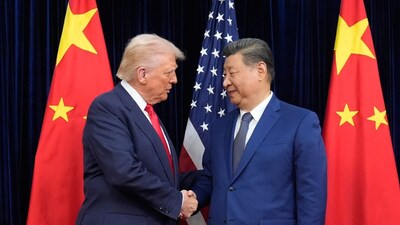
China's exports of rare-earth magnets to the US dropped 21% in August, serving as a powerful point of leverage for Beijing ahead of talks between President Xi Jinping and US President Donald Trump. China is weighing whether to expand export curbs while potentially using additional export licenses as a bargaining chip during the summit.
The US and its allies have pledged billions of dollars to develop alternative sources, such as MP Materials expanding its magnet-making facility in Texas with financial backing from the Trump administration. Additionally, companies like Minnesota-based Niron Magnetics are developing rare-earth-free magnets made from iron and nitrogen, backed by the Pentagon ahead of impending procurement restrictions.