Stories
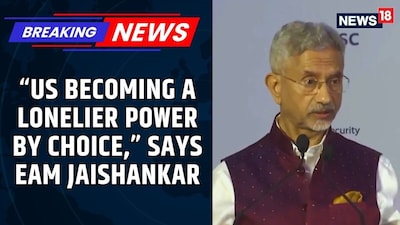
Jaishankar: US-China Rivalry Creates 'Goldilocks Scenario' for Emerging Powers
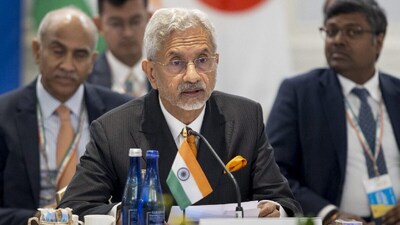
- •External Affairs Minister S Jaishankar stated that the US-China rivalry presents a "Goldilocks scenario" for emerging and middle powers, allowing them to diversify and de-risk economic and security interests.
- •Jaishankar emphasized that the rivalry should be at the "right temperature" – not too hot, not too cold – to benefit these nations.
- •Many countries are now focused on diversifying and de-risking through resilient supply chains and new agenda-based cooperation.
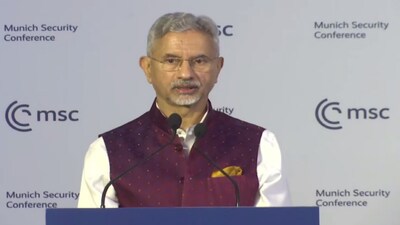
- •The Munich Security Conference is focusing on how countries outside traditional power centers can navigate the changing global order.
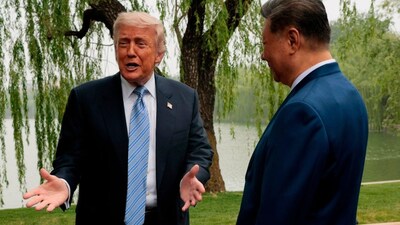
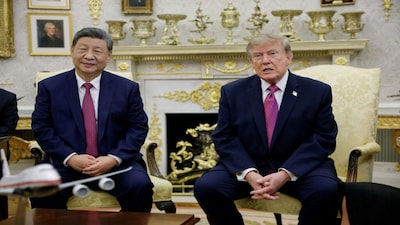
- •Jaishankar's remarks follow Chinese President Xi Jinping's visit to Washington amidst ongoing US-China tensions over trade, AI, and Taiwan, despite a previous trade truce.
Key Questions Answered
External Affairs Minister S Jaishankar stated that the rivalry between the United States and China creates a “Goldilocks scenario” for emerging and middle powers, allowing them to diversify and de-risk their economic and security interests. He noted that countries want the rivalry kept at the right temperature—neither too hot nor too good—while building more resilient supply chains and agenda-based cooperation.
Chinese President Xi Jinping and US President Donald Trump agreed to a trade truce to manage continuing tensions over trade, artificial intelligence, and Taiwan. As part of this agreement, Beijing committed to purchasing more US agricultural products like soybeans and suspending rare earths restrictions for a year, with both sides later extending the pact until January 10.
The new Munich Security Brief focuses on how countries outside traditional power centres can navigate a rapidly changing global order. Based on survey data from 11 middle-power societies across the Global West and Global South, it explores the scope and limits of greater cooperation among emerging and middle powers.