Stories
Trump, Xi Forge Bipolar World: Is Multipolarity Dead?
- •The phrase "multipolar world" has been a reassuring mantra, assuming receding American hegemony, rising China, and the emergence of other powers, leading to a more dispersed and balanced global order.
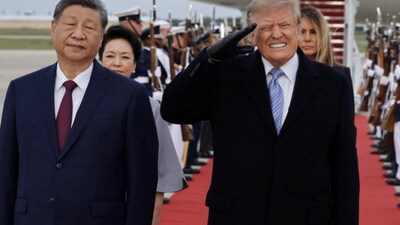
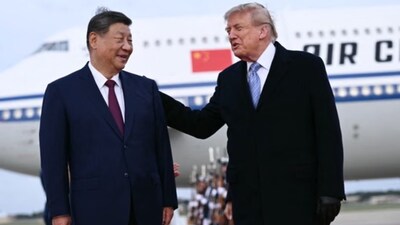
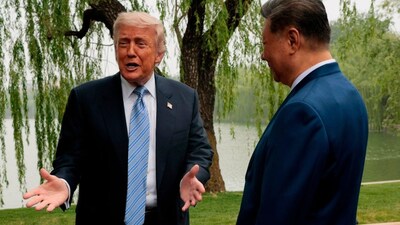
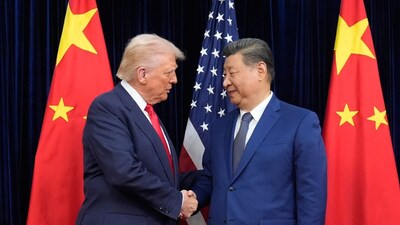
- •The extraordinary chemistry between Donald Trump and Xi Jinping suggests a shift towards a bipolar world, despite discussions of multipolarity.
- •The recent Trump-Xi summit, while modest in agenda, indicated a mutual interest in preventing rivalry from escalating into uncontrollable conflict, highlighting a "managed coexistence" rather than friendship or alliance.
- •Both the US and China are mutually indispensable; the US cannot ignore China's economic and military power, and China relies on the US for the international financial system and technology.
- •The G2 thesis suggests the US and China could cooperate where interests converge, informally recognizing each other's spheres of influence, but this is challenged by countries unwilling to be carved into spheres.
Key Questions Answered
The summit featured agreements on trade, investment, agricultural purchases, and non-sensitive goods, alongside mechanisms to manage economic relations and ongoing dialogue regarding artificial intelligence. However, major issues like Taiwan, technology, and rare earths remained unresolved.
Neither country can easily wish away the other due to deep economic integration, global supply chain embedding, and respective financial or military strengths. Rather than friendship or trust, they share a cold-blooded mutual indispensability to prevent uncontrollable conflict.
India aims to enlarge its room for manoeuvre by avoiding alignment with either Washington or Beijing. The strategy focuses on maintaining strategic autonomy, needing American technology, European markets, Russian energy, and a stable relationship with China while expanding domestic capabilities.