Stories
China's Strategic Advantage: Why Beijing Holds the Upper Hand in US-China Summit
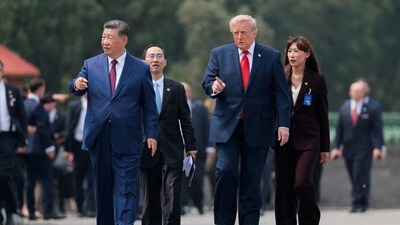
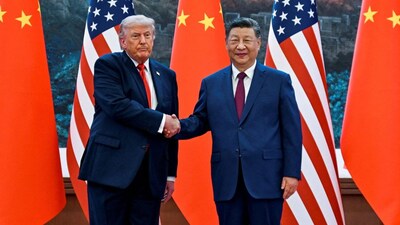
- •Beijing enters negotiations with significant economic leverage, control over global supply chains, and a long-term strategic vision, while Washington seeks immediate relief from domestic and international pressures.
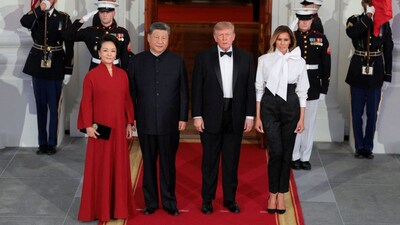
- •The unusual tarmac welcome for Xi Jinping at Joint Base Andrews signifies Washington's willingness to trade diplomatic deference for tangible policy deliverables.
- •China's near-monopoly on critical minerals and rare earth elements provides a powerful economic weapon, allowing Beijing to counter US tariffs with targeted export curbs.
- •Xi Jinping leverages American domestic vulnerabilities, including the agricultural sector's reliance on Chinese demand and the impact of West Asian conflicts on energy prices, to secure favorable terms.
- •Beijing views the summit as a tactical checkpoint in a long-term strategy to achieve a multipolar world order, focusing on macroeconomic stability and technological self-reliance.
Key Questions Answered
Beijing approaches the negotiating table backed by economic leverage, a firm hold over critical global supply chains, and a long-term strategic horizon. China's near-monopolistic control over rare earth minerals and processing gives it an unassailable defensive shield against American tariffs and technological sanctions.
While US Treasury Secretary Scott Bessent proposed a limited six-month extension to maintain future tariff pressure, Beijing rejected short-term patches. Instead, China pushed for a durable multi-year trade ceasefire spanning the remainder of the presidential term alongside tariff exemptions on tens of billions of dollars in commercial exports.
China is the world's largest importer of crude oil and the primary financial buyer of Iranian petroleum exports, positioning Xi uniquely to influence Tehran and help prevent a broader escalation in West Asia. However, Beijing has firmly warned Washington against imposing secondary sanctions on Chinese firms involved in energy trade