Stories
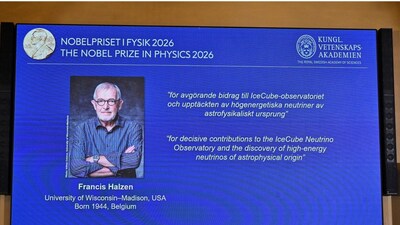
Nobel Prize in Physics 2026 Awarded to Francis Halzen for IceCube Neutrino Discovery
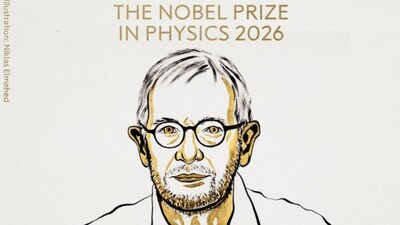
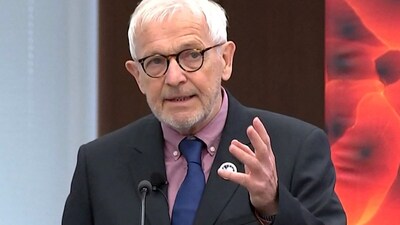
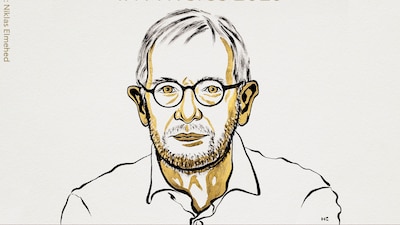
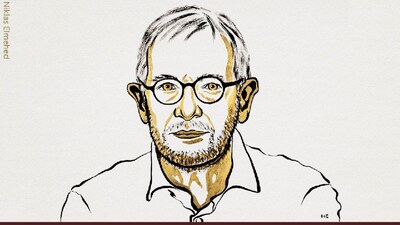
- •American physicist Francis Halzen has been awarded the 2026 Nobel Prize in Physics for his work on the IceCube Neutrino Observatory.
- •He was recognized for the discovery of high-energy neutrinos of astrophysical origin, opening new ways to study the universe.
- •In 1988, Halzen proposed using the massive ice sheets beneath the South Pole to detect elusive ghost particles.
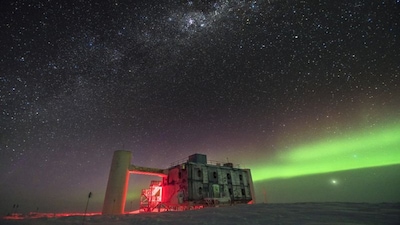
- •The IceCube Neutrino Observatory, completed in 2011, uses thousands of optical sensors embedded deep within Antarctic ice.
- •Neutrinos act as cosmic messengers, traveling vast distances without obstruction to reveal information about extreme universe environments.
Key Questions Answered
American physicist Francis Halzen has been awarded the 2026 Nobel Prize in Physics for his decisive contributions to the IceCube Neutrino Observatory and the discovery of high-energy neutrinos of astrophysical origin.
Back in 1988, Francis Halzen proposed using the massive ice sheets beneath the South Pole to detect tiny flashes of light produced when neutrinos collide with atomic nuclei. Thousands of optical sensors embedded deep within a cubic kilometer of Antarctic ice capture these flashes.
Neutrinos are tiny, uncharged ghost particles that can travel vast distances across space without their direction or energy significantly changing. This allows them to act as messengers carrying information from violent cosmic environments and natural particle accelerators directly to Earth.