Stories
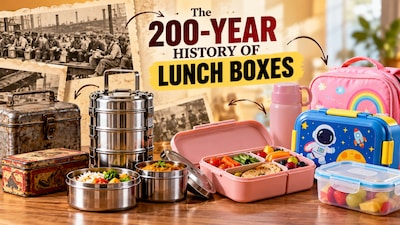
How Lunch Boxes Evolved From Tobacco Tins To Modern Baskets
N
News18•10-10-2026, 18:13
How Lunch Boxes Evolved From Tobacco Tins To Modern Baskets
- •The modern lunch box originated during the Industrial Revolution in the 19th century when factory, mine, and railway workers needed sturdy metal containers to protect their meals from dust and dirt.
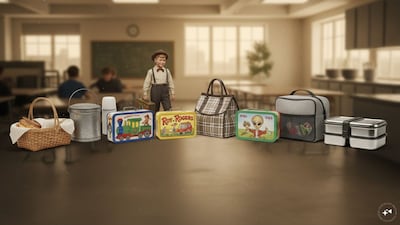
- •By the 1880s, children began bringing homemade meals to school, often repurposing everyday household items like empty biscuit tins and old tobacco boxes before commercial versions appeared in 1902.
- •The introduction of the Mickey Mouse lunch box in 1935 revolutionized marketing by featuring popular cartoon characters to attract younger consumers.
- •Plastic lunch boxes surged in popularity during the 1980s because they were lightweight, affordable, rust-proof, and offered versatile designs and colors.
- •Twenty-first-century lunch boxes prioritize convenience and safety, featuring insulated containers, stainless steel, BPA-free plastics, and bento-style compartments for diverse dietary needs.
Key Questions Answered
The origins of the modern lunch box trace back to the Industrial Revolution in the 19th century, when millions of workers in factories, coal mines, and railway construction sites needed to protect their food from workplace dust and dirt by using sturdy metal containers and tin boxes.
The first character-themed lunch box, featuring the popular cartoon character Mickey Mouse under an official licensing arrangement, was introduced in 1935.
By the 1980s, plastic lunch boxes became popular because they were lightweight, affordable, easier to manufacture, and did not rust like metal alternatives.