Stories
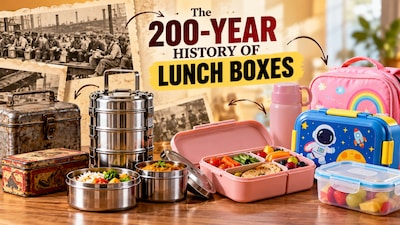
Lunchbox: How did the lunchbox trend start? Here's the exciting history of the lunchbox!
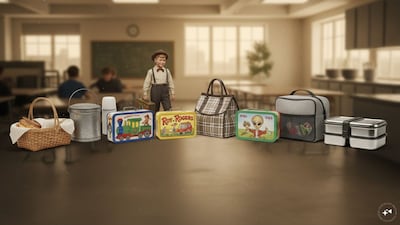
- •During the Industrial Revolution, workers used sturdy metal boxes to protect their food from dust and dirt.
- •Around the 1880s, children used empty biscuit or tobacco tins as the earliest school lunchboxes.
- •The first commercial lunchboxes specifically for children were manufactured in 1902, resembling small picnic baskets.
- •A major turning point occurred in 1935 with the first officially licensed Mickey Mouse lunchbox, transforming it into a pop culture item.
- •The 1980s saw the plastic revolution, making lunchboxes lighter and cheaper, leading to today's advanced, health-focused designs.
Key Questions Answered
In the late 1800s during the Industrial Revolution, workers in factories, coal mines, and railway construction sites began using sturdy metal boxes and tin containers to protect their food from dust and dirt at work. These utilitarian containers were designed solely to keep meals safe without any colors or decorative designs.
The first commercial lunchboxes specifically made for children were manufactured in 1902. Recognizing that children had been carrying food in old biscuit or tobacco tins since the 1880s, these early commercial lunchboxes were designed to resemble small picnic baskets.
The release of the first officially licensed Mickey Mouse lunchbox in 1935 marked a major turning point in lunchbox history. It transformed lunchboxes from simple food-carrying devices into a pop culture medium for children to display favorite cartoon characters and express personal preferences, launching character-themed lunchboxes as a major business.