Stories
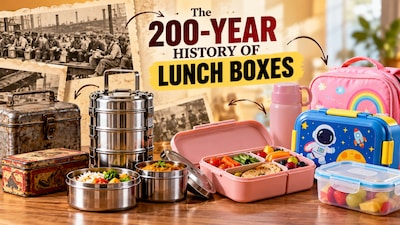
The 200-Year Fascinating History of the Lunch Box

- •The lunch box originated in the late 1800s during the Industrial Revolution when workers used metal cans and tin boxes to protect food from dust.
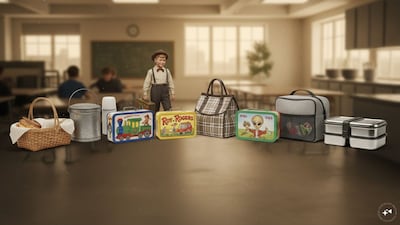
- •In the 1880s, school students began using cleaned-out biscuit or tobacco tins as the world's first makeshift school lunch boxes.
- •Commercial manufacturing of lunch boxes exclusively for children began in 1902, resembling small picnic baskets.
- •The release of the first Mickey Mouse licensed lunch box in 1935 transformed it into a medium for children to showcase favorite characters.
- •The 1980s marked the shift to lightweight, cheaper, and rust-proof plastic lunch boxes, replacing heavy metal containers.
- •Modern 21st-century lunch boxes feature insulated designs, stainless steel, BPA-free plastics, and traditional multi-tier systems focusing on health and freshness.
Key Questions Answered
During the height of the Industrial Revolution in the late 1800s, workers in factories, coal mines, and railway construction sites began using sturdy metal cans and tin boxes to protect their food from workplace dust and dirt. At that time, these containers had no special designs or colors, and their sole purpose was to keep the food safe.
Around the 1880s, school students began bringing lunch from home, but since no separate lunch boxes existed for children, they cleaned out empty biscuit tins or old tobacco tins to carry their food. These repurposed tins are recognized as the world's first school lunch boxes.
The biggest turning point occurred in 1935 with the release of the first officially licensed lunch box featuring the famous cartoon character Mickey Mouse. This transformed the lunch box from a mere food container into a medium for children to display their favorite characters, sparking a massive character-themed lunch box industry.