Stories
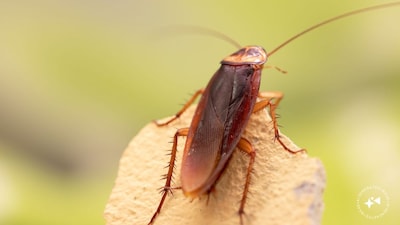
Headless Wonders: Cockroaches Survive Days Without Heads, Here's How!
- •Cockroaches can survive for about a week after decapitation due to their unique respiratory, circulatory, and nervous systems.
- •They breathe through spiracles along their bodies, not their mouths, allowing continued respiration even without a head.
- •An open circulatory system prevents rapid blood loss upon decapitation, and the wound can seal quickly.
- •Their nervous system includes ganglia throughout the body, enabling basic movements and responses independently of the brain.
- •Survival is limited as they cannot eat or drink without a mouth, eventually succumbing to dehydration, though their slow metabolism allows extended periods without food.
Key Questions Answered
Cockroaches do not breathe through their mouths or noses like humans do. Instead, they use tiny openings along the sides of their bodies called spiracles that allow air to reach their respiratory system directly, enabling them to keep breathing even when decapitated. Furthermore, because they have an open circulatory system with low blood pressure, decapitation does not cause fatal blood loss.
Although a headless cockroach can survive for about a week due to its slow metabolism as a cold-blooded animal, it ultimately dies from thirst. Because it no longer has a mouth after losing its head, it cannot eat or drink, and the inability to consume water eventually proves to be fatal.
A cockroach's nervous system is not entirely controlled by the brain. It features clusters of nerve cells called ganglia located throughout its body, which can independently control basic movements and reactions to touch, allowing the headless insect to still move or react.