Stories
Headless Survival: The Astonishing Secret of Cockroaches That Defy Death!

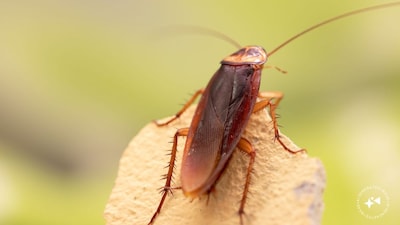
- •Cockroaches can survive for about a week even after their head is cut off.
- •Unlike humans, cockroaches do not breathe through their heads; they use spiracles on their bodies.
- •The open circulatory system of cockroaches prevents significant blood loss when their head is severed.
- •Cockroaches have nerve centers (ganglia) throughout their body, allowing movement and response to touch even without a head.
- •A headless cockroach eventually dies of thirst as it cannot drink water.
Key Questions Answered
Cockroaches do not breathe through their heads or rely on a centralized brain for respiration and basic movements. They breathe through small side openings called spiracles and feature an open circulatory system with low blood pressure, preventing heavy blood loss. Additionally, decentralized nerve centers called ganglia across their body segments handle basic reflexes like walking.
Even though a headless cockroach can continue to breathe, move, and respond to touch, it lacks a mouth and the ability to consume water. Eventually, the insect dies of thirst rather than from the physical decaporation itself.
Cockroaches possess small openings along the sides of their bodies known as spiracles, which allow air to enter directly and reach their body parts without needing a head. They can also hold their breath underwater for 30 to 40 minutes and deliberately stop breathing to regulate their internal water levels.