Stories
The Secret Behind Shing Fish Surviving Months Without Water
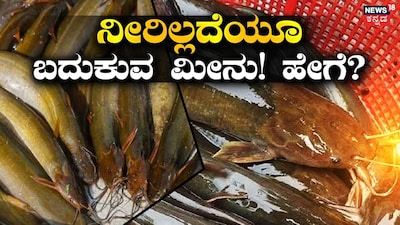
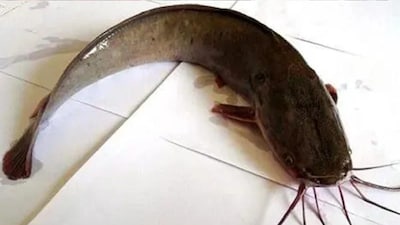
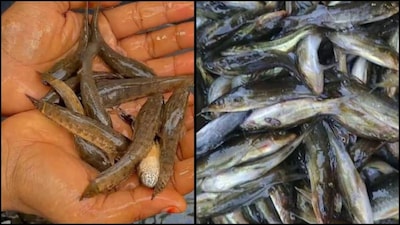
- •The Shing fish, also known as Mugudu in Tulu, can survive underground for months without water when ponds dry up.
- •Unlike most fish that use gills, the hornfish breathes directly from the air using a specialized cylindrical respiratory sac.
- •During extreme dry periods, these fish dig burrows in the mud and enter a state of estivation, which is the opposite of hibernation.
- •Their bodily functions slow down drastically during this underground period, relying on stored body fat for survival.
- •A thick layer of mucus keeps their skin moist, and they can even 'walk' on land using their pectoral fins when the monsoon arrives.
Key Questions Answered
The Shing fish survives by digging burrows in the mud and entering a state of estivation, where its metabolic functions slow down, heart rate decreases, and it gets energy from stored body fat. Additionally, its thick mucus layer retains moisture, its kidneys stop wasting water, and it breathes directly from the air using a specialized respiratory sac.
While most fish extract oxygen from water using gills, the Shing fish features a long, cylindrical air sac extending from beneath its head to its tail, known as a respiratory sac. This specialized organ allows the fish to breathe oxygen directly from the air, enabling its survival outside of water.
The Shing fish is capable of 'walking' on land without water by burying its two pectoral fins into the ground and twisting its body in a snake-like motion. During the first monsoon rains, it emerges from dried ponds to cross moistened fields and reach nearby water bodies.