Stories
From China to Global Export: How a School Principal Brought Kiwifruit to New Zealand
M
Moneycontrol•21-09-2026, 21:06
From China to Global Export: How a School Principal Brought Kiwifruit to New Zealand
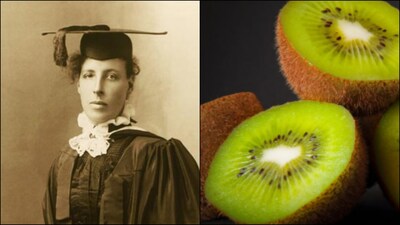
- •Kiwifruit, originally known as mihoutao or "monkey peach" in China, was introduced to New Zealand in 1904 by Mary Isabel Fraser, principal of Whanganui Girls’ College, who brought seeds back from a visit to mission schools in China.
- •Fraser gave the seeds to nurseryman Alexander Allison, who planted them in 1906, with the first fruit appearing in 1910; initially a novelty, it was called "Chinese gooseberry."
- •The Hayward cultivar, developed by Auckland nurseryman Hayward Wright, became the standard green kiwifruit for export due to its large size, flavor, and storage qualities.
- •The name was changed from "Chinese gooseberry" to "kiwifruit" in 1959 by Turners and Growers to avoid Cold War-era commercial sensitivities when marketing to the United States, linking it to New Zealand's national bird.
- •New Zealand's kiwifruit industry, centered in the Bay of Plenty, expanded rapidly, leading to the establishment of Zespri, a global marketing brand that generated NZ$5.9 billion in global fruit sales in 2025, despite China remaining the world's leading producer.
Key Questions Answered
Mary Isabel Fraser, the principal of Whanganui Girls' College, brought the first kiwifruit seeds to New Zealand in 1904 after visiting her missionary sister in China.
During the 1950s, political and commercial sensitivities during the Cold War made marketing products associated with China difficult in the United States, prompting Turners and Growers to adopt the name kiwifruit in 1959.
The New Zealand Kiwifruit Marketing Board was set up in 1988 in response to a major industry crisis in the late 1980s when global prices fell as other countries began growing and exporting the fruit.