Stories
Why You Shiver Uncontrollably After Eating in Winter

N
News18•14-10-2026, 16:14
Why You Shiver Uncontrollably After Eating in Winter
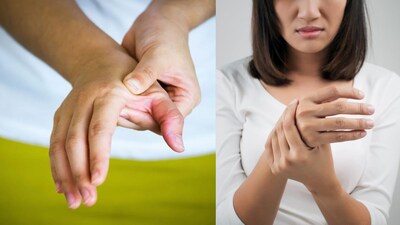
- •During digestion blood flow increases toward the stomach and intestines reducing blood supply to outer parts like hands and feet causing increased coldness.
- •Consuming cold foods, salads, curd, or cold beverages in winter can temporarily lower your body temperature and trigger shivering.
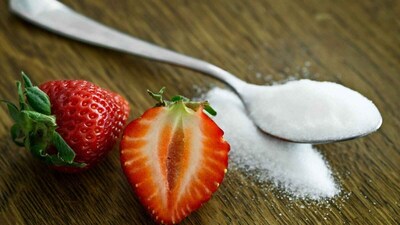
- •Rapid fluctuations in blood sugar levels after eating can cause weakness, fatigue, and shivering especially in people with diabetes or low blood sugar.
- •In winter the body prioritizes keeping main organs warm after a meal making the outer extremities feel colder as digestion becomes the center of circulation.
Key Questions Answered
When you eat, your digestive system becomes active to break down food, increasing blood flow to the stomach and intestines. This temporarily reduces blood flow to outer body parts like hands, feet, and skin, which can increase the feeling of coldness.
Consuming light or low-calorie foods, salads, cold foods, curd, or cold beverages in winter can fail to provide enough heat and temporarily affect your body temperature.
After eating, blood sugar levels can rapidly rise and fall for some people, causing weakness, fatigue, and shivering. This condition is particularly common in patients with diabetes or low blood sugar levels.