Stories
How Menopause Impacts Heart Health and What You Can Do

- •Menopause causes a significant drop in estrogen levels, which heavily influences cardiovascular health, blood pressure, and cholesterol regulation.
- •Loss of estrogen reduces nitric oxide production, causing arteries to stiffen and leading to elevated blood pressure that strains the heart.
- •Lower estrogen impairs the liver from clearing harmful fats, leading to plaque accumulation in arteries and higher heart disease risks.
- •Post-menopausal weight gain often concentrates as deep visceral fat, altering metabolism and triggering insulin resistance.
- •Regular walking, a nutrient-rich diet, quality sleep, and routine medical screenings help manage post-menopausal cardiovascular risks effectively.
Key Questions Answered
The drop in estrogen levels during menopause reduces nitric oxide production, causing arteries to stiffen and leading to elevated blood pressure over time. Additionally, this hormonal reduction impairs the liver's ability to clear harmful fats, increasing plaque formation and heart disease risk.
Post-menopausal weight gain often concentrates as deep visceral fat around the abdomen due to significant hormonal shifts. This internal fat alters metabolism, triggers insulin resistance, and complicates cholesterol control, transforming an expanding waistline into a key health concern.
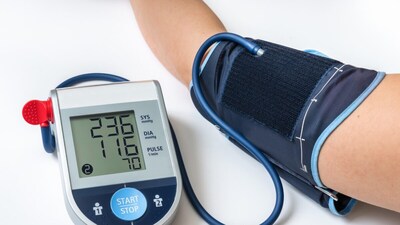
Women experiencing menopause should schedule routine screenings for blood pressure, blood sugar, and cholesterol levels. Monitoring these vital metrics helps catch potential heart risks early rather than dismissing new symptoms as simple aging.