Stories
Navratri Fasting During Pregnancy: Is It Safe for Your Baby?
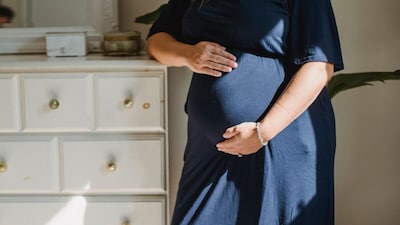
- •Expectant mothers have increased nutritional and hydration needs, making prolonged fasting potentially risky for both maternal health and fetal development.
- •Long gaps between meals can cause low blood sugar, leading to weakness, dizziness, and headaches, especially for women with conditions like diabetes.
- •Waterless fasts increase the risk of severe dehydration, which can be dangerous due to the body's elevated fluid requirements during pregnancy.
- •Restricted diets focused solely on carbohydrates like potatoes and sabudana may lead to nutritional gaps, lacking essential protein, iron, and calcium.
- •Pregnant women can choose safer alternatives such as eating balanced meals with proper protein sources and consulting their obstetrician before fasting.
Key Questions Answered
A single missed meal does not automatically harm the baby, as the body uses stored energy mechanisms. However, repeatedly eating too little, combining prolonged fasting with dehydration, or following a nutritionally inadequate diet can make it harder to meet the increased nutritional requirements of pregnancy.
Expectant mothers should watch out for shakiness, dizziness, headaches, weakness, sweating, and low blood sugar. Severe warning signs that require stopping the fast and seeking urgent medical advice include persistent dizziness, fainting, severe weakness, repeated vomiting, or markedly reduced urination.
Women wishing to honor the festival can choose non-restrictive observances instead of prolonged fasts. Alternatives include eating regular balanced meals with suitable fasting foods, including protein sources like milk, yoghurt, paneer, or nuts, drinking adequate fluids, and continuing prescribed prenatal supplements under medical advice.