Stories
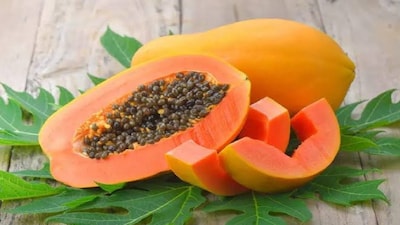
Yellow Papaya Not Always Ripe! Smart Buying Tips to Avoid Getting Cheated.

- •A papaya's yellow color doesn't always mean it's ripe; fruits can be ripened artificially for transport.
- •FSSAI permits controlled use of ethylene gas for ripening but prohibits calcium carbide due to health risks.
- •Calcium carbide may contain harmful traces of arsenic and phosphorus, making its use illegal for fruit ripening.
- •Don't judge ripeness solely by color; check the papaya's texture and overall condition before buying.
- •Avoid papayas that are too soft or show signs of spoilage, and buy only what you need to prevent waste.
Key Questions Answered
According to the FSSAI, the controlled use of ethylene gas is permitted for ripening fruits because ethylene is a naturally occurring plant hormone that initiates the ripening process. Conversely, the use of calcium carbide and the acetylene gas it produces is strictly prohibited because it may contain harmful traces of arsenic and phosphorus.
Naturally ripened papayas feature a uniform, light yellow to attractive orange color and emit a sweet, natural aroma. In contrast, calcium carbide-ripened papayas often look overly bright or glossy with uneven patches, lack a pleasant fragrance, or emit a strange chemical or acid-like odor.
Buyers should gently hold the papaya to check its texture and skin. Avoid fruits that are unusually soft, show signs of spoilage, or feel unevenly soft in certain areas, as overly soft papayas spoil quickly and may indicate poor quality.