Stories
Carbide vs. Tree-Ripened Papayas: Easy Ways to Spot the Real Deal!
N
News18•23-09-2026, 18:57
Carbide vs. Tree-Ripened Papayas: Easy Ways to Spot the Real Deal!
- •Carbide-ripened papayas are sold in markets, posing health risks to consumers.
- •Tree-ripened papayas have a mix of green and yellow, while carbide-ripened ones are uniformly bright yellow with greasy skin.
- •Natural papayas have a distinct sweet smell; carbide-ripened ones may have a chemical or pungent odor.
- •Tree-ripened papayas soften evenly; chemically ripened ones may have inconsistent soft and hard spots.
- •Inside, tree-ripened papayas are deep orange with plump seeds, whereas carbide-ripened ones appear pale.
Key Questions Answered
Tree-ripened papayas feature a natural mix of green and yellow, starting to ripen from the bottom up. In contrast, carbide-ripened papayas have a uniform, bright yellow color with a greasy, flawless peel.
Tree-ripened papayas emit a distinct sweet smell, especially near the stem. Papayas ripened with chemicals usually lack this natural fragrance or have a pungent, medicinal, or chemical-like odor.
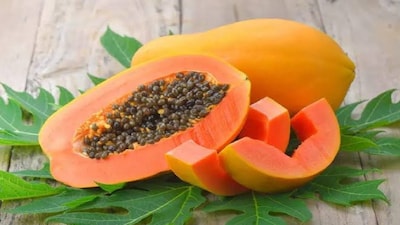
After cutting open a naturally tree-ripened papaya, the inner flesh displays a deep orange color and the seeds are plump. Conversely, a pale inner color indicates that the fruit was artificially ripened using carbide.