Stories
Angoor Farming Tips: Essential 5 Tasks for Grapevines After Monsoon

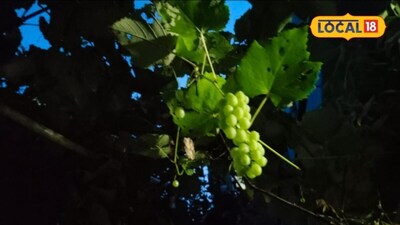
- •Clean and prune grapevines immediately after the rainy season by cutting old and useless branches to encourage healthy new shoots.
- •Ensure proper water drainage around the roots and perform light tilling to keep the soil loose and allow air circulation.
- •Protect vines from fungus and diseases caused by humid weather by spraying Bordeaux mixture or copper fungicide on time.
- •Provide essential nutrition to vines after pruning using well-rotted farmyard manure, vermicompost, and potash for better growth.
- •Support and spread vines properly on a wire trellis so they receive adequate sunlight and air, minimizing disease risks.
Key Questions Answered
After the rains, farmers must focus on cleaning the grapevines by removing old and useless branches, ensuring proper water drainage around the roots, and lightly tilling the soil to allow air circulation. Additionally, applying a fungicide spray, providing proper nutrition like farmyard manure and potash, and supporting the vines on a wire trellis are crucial steps to prevent diseases and ensure a healthy crop yield.
Because high humidity and moisture increase the risk of fungal infections after the monsoon, farmers can spray Bordeaux mixture or copper fungicide on the vines. Promptly addressing early symptoms on leaves and stems prevents the disease from spreading.
Following pruning, grapevines require proper nutrition for optimal growth. Farmers should use well-rotted farmyard manure and vermicompost to maintain soil health, alongside potash to strengthen the vine and secure a strong yield for the upcoming season.