Stories
How Fermentation Transforms Nutrition in Traditional Indian Foods
- •Fermentation is a natural process where microorganisms like bacteria and yeast transform sugar and other elements in food to alter its taste, texture, and nutrition.
- •Curd is made by adding specific bacteria to milk that convert lactose into lactic acid, making it thicker, slightly sour, and potentially easier to digest.
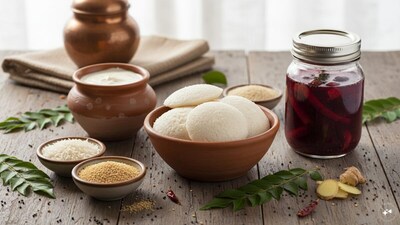
- •Idli batter fermentation uses microorganisms to produce gas and acid, making the idli soft and spongy while altering B-vitamins and reducing phytates to improve mineral availability.
- •Kanji is a traditional North Indian fermented drink made from black carrots or beetroot that contains lactic acid-producing bacteria and antioxidant compounds like anthocyanins.
- •Fermentation can improve digestion and nutrient availability, but not every fermented food is guaranteed to contain probiotics or cure diseases.
Key Questions Answered
To make curd, specific bacteria are added to milk to convert a portion of the natural sugar lactose into lactic acid, which thickens the milk and gives the curd a slightly sour taste. Because some lactose breaks down during fermentation, some people may find curd easier to digest than milk.
Idli batter made from rice and urad dal is fermented by microorganisms that produce acid and carbon dioxide, causing the batter to rise and making the cooked idli soft and spongy. This process can alter B-vitamins, improve protein digestion properties, and decrease phytates to increase mineral availability, though steaming subsequently destroys many live microorganisms.
Not necessarily. While fermentation can improve digestion and nutrient availability for certain foods, its benefits vary from item to item, and the claim that every fermented item contains probiotics or cures a disease is incorrect.