Stories
India's Chenab Project Puts Pakistan's Economy and Food Security on the Brink of Collapse
- •India suspended the 1960 Indus Waters Treaty indefinitely following the Pahalgam terrorist attack, stating that water and blood cannot flow together.
- •Official Pakistani documents reveal a massive 22 percent water shortage affecting its primary agricultural provinces, Punjab and Sindh.
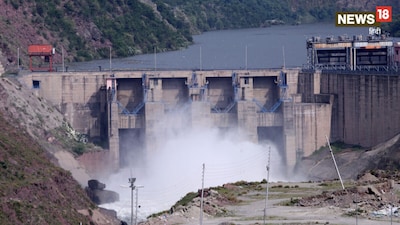
- •Hydrological projects built by India on the Chenab River have brought water flow under strategic control, severely impacting Pakistan's irrigation.
- •Pakistan's cash crops including paddy, sugarcane, and cotton face the threat of complete destruction, triggering severe inflation and food insecurity.
Key Questions Answered
India suspended the 1960 Indus Waters Treaty for an indefinite period following a tragic terrorist attack in Pahalgam, Jammu and Kashmir, in April 2025, where terrorists sent by Pakistan targeted and shot Indian tourists. The Indian government made it clear that water and blood can never flow together, setting a firm condition that no talks or treaties will be considered until Pakistan completely destroys its terrorist infrastructure.
India's strategic hydrological projects on the Chenab River and the suspension of the Indus Waters Treaty have brought water flow under complete control, leading to an estimated 22 percent water shortage for Pakistan's main agricultural provinces of Punjab and Sindh during the 2026-27 Kharif season. This controlled water supply threatens Pakistan's food security, cash crops like paddy, sugarcane, and cotton, and its broader economy.
The Chenab-Beas Link Tunnel Project is an inter-basin water diversion initiative in Himachal Pradesh's Lahaul-Spiti valley, estimated to cost around Rs 2,352 crore. It involves constructing a 19-metre-high barrage on the Chandra river—a tributary of the Chenab—and an 8.7-kilometre-long tunnel to divert surplus water into the Beas river basin.