Stories
India Rejects Conditional MFN Status at G20 Trade Ministers' Meet
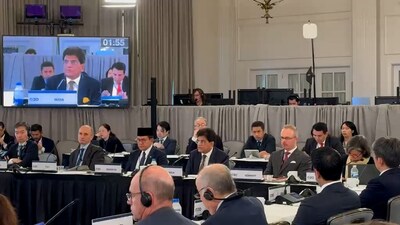
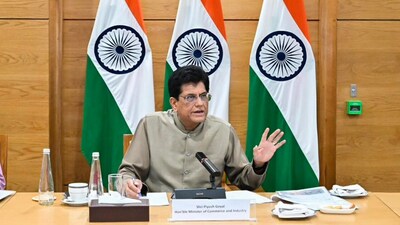
- •Union Commerce and Industry Minister Piyush Goyal stated that India cannot support making Most-Favoured-Nation (MFN) treatment conditional on obligations chosen by some WTO members.
- •Goyal emphasized that MFN treatment ensures the same terms for the smallest and largest traders, reinforcing confidence, predictability, and inclusiveness in the multilateral trading system.
- •India called for a WTO-compliant approach to address trade distortions and excess capacity, advocating for multilateral rules over unilateral interventions.
- •Goyal clarified that India, as a domestic-demand-driven economy, does not have structural excess capacity in sectors identified by the G20 Presidency.
- •India affirmed its absolute stance against forced labor, having ratified ILO Conventions 29 and 105, and amended its Foreign Trade Policy to bar imports made with forced labor.
Key Questions Answered
Union Commerce and Industry Minister Piyush Goyal stated that India cannot support making Most-Favoured-Nation (MFN) treatment conditional on obligations chosen by select WTO members. He emphasized that MFN treatment guarantees equal terms for traders of all sizes and helps reinforce predictability, confidence, and inclusiveness.
India maintains that concerns regarding trade-distorting support, dumping, and predatory pricing should be addressed through WTO-consistent measures like anti-dumping and countervailing duties based on evidence and judicial review. Furthermore, corrective measures against unfair market practices must strictly adhere to established multilateral rules rather than unilateral interventions.
India's stance on eliminating forced labour in global supply chains is absolute under Article 23 of the Constitution. Having ratified ILO Conventions 29 and 105, India amended its Foreign Trade Policy in July 2026 to officially bar imports made using forced labour.