Stories
India Lacks Structural Excess Manufacturing Capacity, Goyal Asserts at G20

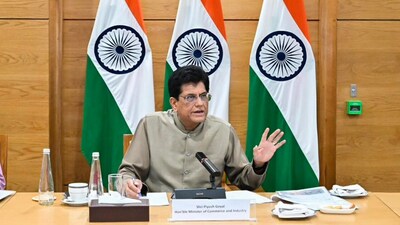
- •Commerce and Industry Minister Piyush Goyal stated at the G20 that India does not possess structural excess manufacturing capacity in sectors identified by the G20 Presidency, as its capacity serves both domestic and global demands.
- •Goyal highlighted that while industrial capacity itself isn't the issue, distortions arise from geographical concentration driven by hidden subsidies and support.
- •He emphasized that diversification of production and supply chains is legitimate but shouldn't be a pretext for measures outside WTO rules or burdening developing countries.
- •India shares concerns about trade-distorting support leading to dumping and predatory pricing, addressing these through evidence-based WTO measures like anti-dumping and countervailing duties.
- •Goyal also stressed India's commitment to eliminating forced labor, advocating for evidence-based border measures respecting due process and WTO rules, and supporting the restoration of the two-tier dispute settlement system.
Key Questions Answered
Commerce and Industry Minister Piyush Goyal stated that India does not have structural excess manufacturing capacity in the sectors identified by the G20 Presidency, asserting that its industrial output serves both domestic and global needs.
India addresses trade-distorting support, dumping, and predatory pricing through evidence-based World Trade Organisation (WTO) measures, which include anti-dumping and countervailing duties that remain open to judicial review.
The Office of the United States Trade Representative (USTR) launched two separate Section 301 investigations covering 60 economies regarding forced labour and excess industrial capacity. The forced labour probe concluded with a 10 per cent duty imposed on countries including India, while final findings for the other probe are still awaited.