Stories
G20 Trade Chiefs Split on Excess Industrial Capacity, Forced Labor; Condemn Food Coercion

F
Firstpost•02-10-2026, 05:52
G20 Trade Chiefs Split on Excess Industrial Capacity, Forced Labor; Condemn Food Coercion
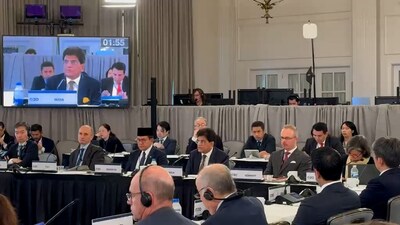
- •G20 trade ministers agreed on condemning food trade coercion but remained divided on tackling excess industrial capacity and forced labor in global supply chains.
- •US Trade Representative Jamieson Greer highlighted broad agreement that excess industrial capacity is a problem, but ministers failed to reach a joint response, with existing trade remedies deemed inadequate.
- •European Trade Commissioner Maros Sefcovic warned that excess production could threaten key European industries like automobiles and steel, advocating for coordinated action.
- •Ministers also failed to reach consensus on language condemning forced labor in global supply chains, an issue the US links to tariffs and trade measures.
- •The US proposed reviewing the Most-Favoured-Nation (MFN) tariff system, arguing its unconditional application warrants reform to promote reciprocity and balance in global trade.
Key Questions Answered
G20 trade ministers remained divided over how to tackle excess industrial capacity and forced labour in global supply chains, failing to reach a joint consensus on these two priorities pushed by the United States.
Yes, the ministers reached an agreement on condemning the use of food and agricultural trade as a coercive tool, opposing coercive trade actions involving food, agricultural products, and farm inputs.
The US proposed a review of the unconditional Most-Favoured-Nation tariff system, with Jamieson Greer arguing that the existing framework warrants reform because it fails to properly promote reciprocity and balance in global trade.