Stories
India Demands Verifiable Evidence for Forced-Labour Trade Curbs, Warns Against Blanket Action
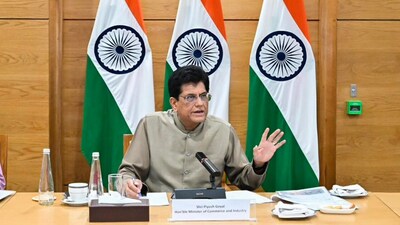
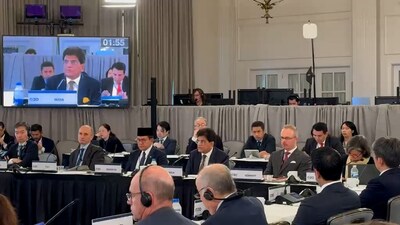
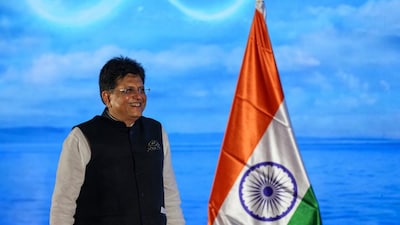
- •India's Commerce and Industry Minister Piyush Goyal called for trade measures against forced-labour goods to be based on specific, verifiable evidence, not assumptions about entire countries or sectors.
- •Goyal reaffirmed India's commitment to eliminating forced labour, emphasizing that trade measures must respect due process and WTO rules.
- •India supports voluntary exchanges of good practices among G20 members to address forced labour but cautions against monitoring, new obligations, or unilateral trade action based on shared information.
- •India warns against trade-distorting subsidies, stating that industrial capacity isn't the issue, but rather geographical concentration of production driven by hidden subsidies.
- •Goyal stressed the importance of preserving WTO principles, including the Most-Favoured-Nation principle, consensus, special and differential treatment for developing countries, and the restoration of the dispute settlement system.
Key Questions Answered
Commerce and Industry Minister Piyush Goyal stated that trade measures against goods allegedly produced using forced labour must be backed by specific and verifiable evidence rather than presumptions about entire countries, regions, or sectors. He also emphasized that India's commitment to eliminating forced labour is unconditional and that any trade measures must respect due process and WTO rules.
Article 23 of the Indian Constitution prohibits forced labour as a fundamental right enforceable by the Supreme Court, and India has ratified ILO Conventions 29 and 105. Furthermore, India amended its Foreign Trade Policy to prohibit imports of goods produced using forced labour, establishing a formal inquiry framework under the DGFT.
Poyal stated that India does not have structural excess capacity in the sectors identified by the G20 presidency, noting its domestic-demand-driven economy and manufacturing capacity. While acknowledging that trade-distorting support can lead to dumping and predatory pricing, India maintains that these concerns should be addressed through WTO-consistent measures like anti-dumping and countervailing duties based on evidence.