Stories
Late Nights Linked to Higher Cancer Risk: Study Reveals Impact on Body's Defences
N
News18•30-09-2026, 22:20
Late Nights Linked to Higher Cancer Risk: Study Reveals Impact on Body's Defences
- •New research suggests a link between unhealthy sleep patterns, night-time light exposure, and the body's ability to regulate immune and biological processes involved in cancer defence.
- •A study in BMC Cancer found women with unhealthy overall sleep patterns had a 10% higher risk of developing breast cancer, even after adjusting for other factors.
- •Unhealthy sleep habits can disrupt immune and inflammatory responses, impairing the immune system's ability to identify and eliminate abnormal cells.
- •Repeatedly disturbing the body's circadian rhythm through late nights and artificial light can suppress melatonin, shift the internal clock, and affect immune surveillance by natural killer cells.
- •The study highlights an association between persistent, long-term sleep disruption and cancer risk, not occasional late nights, and advises consulting a doctor for persistent sleep problems.
Key Questions Answered
A study published in BMC Cancer involving 159,452 women found that those with unhealthy overall sleep patterns had a 10% higher risk of developing breast cancer compared to women with healthier sleep habits.
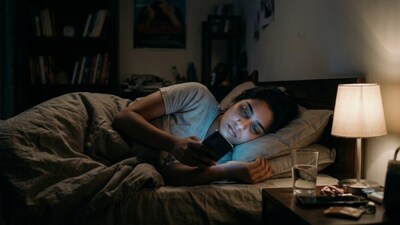
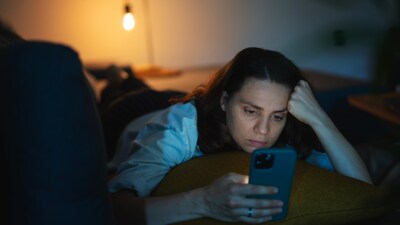
Staying up late under indoor lighting or phone screens can delay sleep, disrupt the circadian rhythm, suppress the production of the hormone melatonin, and potentially affect immune surveillance and natural killer cell activity.
You should speak to a doctor if you regularly struggle with sleep, experience persistent daytime tiredness, or notice ongoing changes in your sleep pattern that affect your daily life.