Stories
Night Scrolling: Doctors Reveal Hidden Dangers to Eyes and Sleep
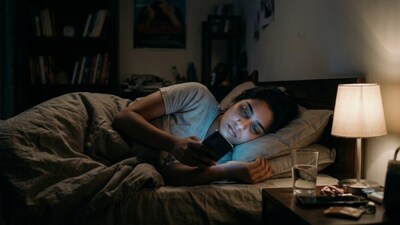
- •Using a bright phone in a dark room for extended periods causes significant eye strain due to the sharp contrast and reduced blinking.
- •Digital eye strain, or asthenopia, results from prolonged near work, leading to dryness, burning, redness, and temporary blurred vision.
- •Blue light emitted from screens at night disrupts circadian rhythms and suppresses melatonin, negatively impacting sleep patterns.
- •While blue light from devices doesn't cause permanent retinal damage, excessive screen use can lead to digital eye strain symptoms.
- •To reduce strain, use soft ambient lighting, lower screen brightness, blink frequently, and follow the 20-20-20 rule; avoid screens 30-60 minutes before bed.
Key Questions Answered
Current ophthalmology guidance, including statements from the American Academy of Ophthalmology, indicates no scientific evidence that ordinary blue light from digital devices causes permanent damage to human eyes. However, excessive screen use and reduced blinking can still cause digital eye strain symptoms like dryness, burning, redness, headaches, and temporary blurred vision.
Temporary smartphone blindness can occur when someone uses a brightly lit phone in complete darkness while one eye is partially covered by a pillow or bedsheet. This creates a difference in how the two eyes adapt to light, leaving the covered eye dark-adapted while the other adapts to the bright screen, resulting in brief visual impairment when the phone is turned off.
Experts recommend avoiding phone use in complete darkness by turning on soft ambient lights and keeping screen brightness comfortable. You should also remember to blink consciously, activate night mode or blue-light filters, avoid screens 30 to 60 minutes before bed, and follow the 20-20-20 rule by looking at something 20 feet away for 20 seconds every 20 minutes.