Why India's Trade Policy Makes Importing Cheaper Than Local Manufacturing
F
Forbes India•05-10-2026, 16:55
Why India's Trade Policy Makes Importing Cheaper Than Local Manufacturing
- •TUF Metallurgical Pvt Ltd shut down its ferrochrome plant in the Atchutapuram SEZ due to customs rules and trade policies that made domestic manufacturing economically unviable.
- •Indian SEZ units selling goods into the domestic market face a 5.5 percent customs duty on the full value, including domestic labor and power, while products from Oman enter India at zero duty under the India-Oman CEPA.
- •Oman-based producers can source duty-free raw materials like chrome concentrate from Pakistan, whereas Indian manufacturers face steep import duties on the same inputs.
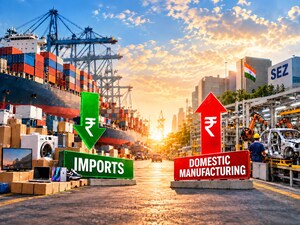
- •The cumulative effect of trade policies creates an inverted duty structure, incentivizing companies to manufacture abroad and import into India rather than producing domestically.
- •Experts suggest reforming the SEZ duty framework by taxing only the imported inputs rather than the full value-added finished product, aligning SEZ rules with schemes like MOOWR.
Key Questions Answered
The plant was priced out of its own supply chain because India's customs rules and trade policies created an inverted duty structure, taxing domestic manufacturing at both ends of its value chain while allowing competing foreign products to enter duty-free.
On September 18, 2025, the Andhra Pradesh High Court struck down the fifth proviso to Rule 27(1) of the SEZ Rules, 2006, ruling it ultra vires the SEZ Act, 2005.
Under the India-Oman CEPA, qualifying low-carbon ferrochrome manufactured in Oman can enter India at zero customs duty. In contrast, Indian-made ferrochrome cleared from an SEZ to a domestic customer faces an effective customs duty of about 5.5 percent before IGST, making domestic manufacturing more expensive than importing.