Stories
Piyush Goyal Explains Why India Avoided FTA with China, Citing Trade Deficit and Dumping Concerns
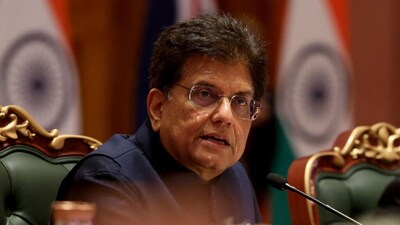
- •Commerce Minister Piyush Goyal stated India did not sign an FTA with China due to concerns over a large trade deficit, Chinese dumping, lack of transparency, and subsidies to exporters.
- •Joining the Regional Comprehensive Economic Partnership (RCEP) would have effectively meant an FTA with China, which Goyal questioned would benefit Indian businesses and workers.
- •India's trade deficit with China stood at $67.1 billion in the first six months of the current fiscal year, with imports from China accounting for nearly 17% of India's total merchandise imports in FY26.
- •India is also reviewing its existing ASEAN-India Trade in Goods Agreement (AITIGA) due to a widening trade deficit with the ASEAN bloc, seeking greater market access and reciprocity.
- •The government's approach emphasizes negotiating FTAs differently, prioritizing greater reciprocity and market access while mitigating risks from significant trade imbalances.
Key Questions Answered
According to Commerce and Industry Minister Piyush Goyal, joining an FTA with China via RCEP would not have benefited Indian workers and manufacturers due to massive Chinese export scales, subsidies, a lack of transparency, and concerns over dumping that could worsen India's large trade deficit.
India is pushing for a more balanced, effective review of AITIGA because its trade deficit with the ASEAN bloc has widened significantly since the agreement came into force. India is seeking overall tariff liberalisation of 80% of tariff lines, with each ASEAN nation liberalising at least 70% based on economic size.
India has consistently refused to offer any duty concessions in the dairy sector under any of its free trade agreements with economies like the European Union, the UK, New Zealand, and Australia to protect its small and marginal farmers.