Stories
Moon Nuclear Reactor Race: US, China, Russia Eye Lunar Power Amid Ownership Questions.
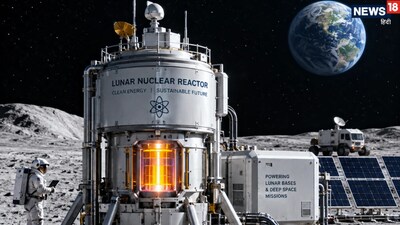
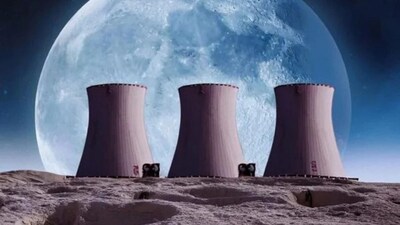
- •The US, China, and Russia are planning to build nuclear power reactors on the Moon, while countries like India are still developing sufficient reactors on Earth.
- •NASA aims to establish a lunar nuclear reactor by 2030, while Russia and China plan a joint 'Selena' reactor by 2036.
- •Continuous electricity is crucial for a permanent lunar base, as the Moon's night lasts over two weeks, making solar power insufficient.
- •The 1967 Outer Space Treaty prohibits territorial claims on the Moon, but security zones around future bases could lead to disputes.
- •Technical, safety, and legal challenges may alter project timelines, as no country has yet successfully operated a lunar nuclear reactor.
Key Questions Answered
NASA aims to establish a nuclear power reactor on the Moon's south pole by December 2030, while Russia and China plan to jointly develop their lunar reactor, named 'Selena,' by 2036 to power Chinese-led lunar stations.
A permanent lunar base requires continuous electricity, but the Moon's night lasts more than two weeks according to Earth's time, making it difficult to rely solely on solar panels. Nuclear reactors can provide long-term energy without sunlight and operate with limited human intervention.
Under the 1967 Outer Space Treaty, countries cannot claim territorial rights over the Moon. However, America fears that security zones created around future joint China-Russia lunar bases could restrict the movement of American astronauts and rovers, potentially causing disputes.