Stories
Moon Nuclear Race: US, China, Russia Vie for Lunar Power, Raising ‘Keep-Out Zone’ Concerns

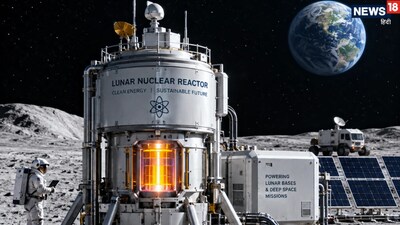
- •The US, China, and Russia are in a race to establish nuclear reactors on the Moon, with NASA targeting 2030 and a Russia-China project aiming for the mid-2030s.
- •These reactors are crucial for providing continuous power to future lunar bases, especially in the Moon's south pole where solar power is intermittent and water ice is abundant.
- •A key concern is the potential for ‘keep-out zones’ around these nuclear facilities, raising questions about how safety requirements will interact with international law stating no country can own lunar territory.
- •NASA's Lunar Reactor-1 aims for 20 kilowatts for five years, while the Russia-China Selena reactor for the ILRS targets 10 kilowatts for a decade, both focusing on the lunar south pole.
- •The 1967 Outer Space Treaty prohibits national appropriation of the Moon, but the US-led Artemis Accords introduce ‘safety zones’ to prevent interference, though these are not sovereign territory and must respect free access.
Key Questions Answered
NASA is targeting 2030 to develop a lunar surface reactor under its renewed cooperation with the US Department of Energy, while a joint Russia-China project anticipates deployment in the middle of the next decade, specifically around 2036 for their Selena reactor.
The lunar south pole features a complex patchwork of illuminated areas and permanently shadowed craters that may contain valuable water ice and other frozen materials, which can support future exploration and provide critical resources.
The 1967 Outer Space Treaty prohibits any nation from claiming sovereignty or owning territory on the Moon. However, the Artemis Accords introduced temporary safety zones based on scientific principles to prevent harmful interference between operations, though NASA has warned that the first country to install sensitive infrastructure like a reactor could potentially create a strategic keep-out zone.