Stories
How Arizona's 1926 Bullfrog Introduction Backfired on Native Wildlife
M
Moneycontrol•09-10-2026, 19:41
How Arizona's 1926 Bullfrog Introduction Backfired on Native Wildlife
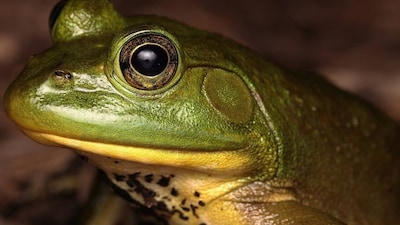
- •In 1926 and 1927, the Arizona State Game Department introduced Louisiana bullfrogs along the Salt River to establish a new food source and recreational hunting species.
- •American bullfrogs adapted rapidly to the Southwest climate, displaying high reproductive potential with females producing up to 20,000 eggs at a time.
- •Federal wildlife assessments identify the invasive bullfrogs as a major threat to the threatened northern Mexican gartersnake through direct predation on juveniles and resource competition.
- •Habitat loss combined with bullfrog predation has significantly impacted the native gartersnake, leading to its official listing as a threatened species in 2014.
- •Biologists and wildlife management programs have conducted mass bullfrog removals since the 1990s in southeastern Arizona to help protect native amphibians and reptiles.
Key Questions Answered
In 1926 and 1927, the Arizona State Game Department introduced Louisiana bullfrogs along the Salt River near Phoenix to establish a new food source and provide recreational hunting opportunities for frog legs.
Bullfrogs threaten the northern Mexican gartersnake through both predation and competition. They prey directly on juvenile and sub-adult snakes and also compete with them by consuming native prey species.
The northern Mexican gartersnake was officially listed as a threatened species in 2014, following federal concerns regarding invasive bullfrogs and habitat deterioration.