Stories
Wolves' Return to Yellowstone: Ecosystem Restoration More Complex Than Anticipated
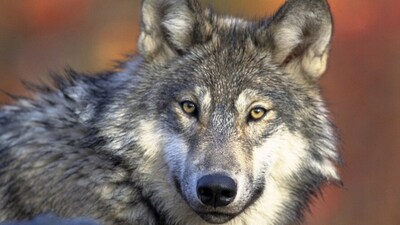
- •31 wolves were reintroduced to Yellowstone National Park starting in 1995 after a 70-year absence, leading to a permanent population within two years.
- •The reintroduction significantly impacted the elk population, with a 70% decrease observed in the northern range between 1995 and 2010.
- •Initial studies suggested wolves influenced the landscape by changing elk feeding behavior, leading to increased willow growth in localized areas.
- •Later research revealed a more complex ecosystem dynamic involving willows, beavers, and water, where beaver dams and high water tables were crucial for willow regeneration.
- •The idea of a simple trophic cascade was challenged, showing that ecosystem restoration involves multiple interacting feedbacks, not just wolves reducing elk.
Key Questions Answered
Formal scoping for the wolf reintroduction began around 1975, and Congress mandated an environmental-impact statement in 1991. Following government approval in June 1994, the first group of 14 wolves was brought to Yellowstone from Alberta in January 1995, followed by another 17 wolves from British Columbia in January 1996.
With wolves becoming a significant cause of death, a ten-year study published in 2013 observed a drop of about 70% in Yellowstone's northern range elk population between 1995 and 2010. Additionally, researchers studied whether the presence of wolves altered where elk were willing to feed by making certain exposed areas seem riskier.
No, later broad-scale studies challenged simple automated vegetation recovery claims. A 2010 landscape-scale study on aspens showed modest results with no large-scale recovery, and a 2013 study revealed that restoring willows required re-establishing high water tables from beaver dams rather than just reducing elk browsing.