Stories
Ancient Plesiosaur "Vomit" Reveals Bizarre Jurassic Feeding Habits
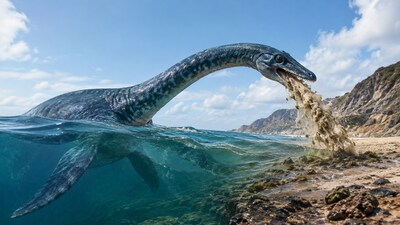
- •Scientists discovered over 20 fossilized regurgitation masses in Norway, providing insight into ancient plesiosaur behavior.
- •The fossils, dating back 160 million years, suggest plesiosaurs swam to shallower waters to expel indigestible food remains.
- •Contents of the fossilized masses include fragments of bivalves, serpulid worms, crinoids, and belemnites, ranging in size from walnuts to mangoes.
- •Researchers attribute the vomit to plesiosaurs because their teeth were suited for gripping prey, not crushing hard shells, leading them to expel indigestible parts.
- •The presence of marine species in a freshwater-influenced delta suggests plesiosaurs caught prey offshore and then moved to calmer, shallower waters to regurgitate and possibly rest.
Key Questions Answered
Scientists studying fossilized regurgitation masses in Norway discovered that ancient plesiosaurs may have moved toward shallower, freshwater-influenced delta waters to get rid of hard, indigestible food remains like shells after hunting offshore.
The fossilized masses contained fragments of bivalves, serpulid worms, crinoids, and belemnites, ranging in size from a walnut to a mango, providing an unusual record of what the ancient predators had consumed.
Researchers ruled out other predators like sharks, fish, crocodiles, and ichthyosaurs because the size and composition of the regurgitated material best match plesiosaurs. Their teeth were suited for gripping prey rather than crushing hard shells, requiring them to expel indigestible remains.