Stories
Europe's LNG Shift Disrupts Gas Storage Economics, Raising Winter Supply Concerns
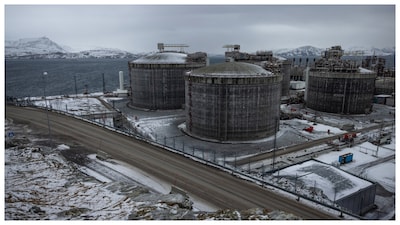
- •Europe's traditional gas storage model, relying on summer-winter price spreads, has unraveled for the second year due to increased reliance on LNG and geopolitical conflicts.
- •The flattening of price spreads makes it less feasible for commercial traders to inject gas, leading to historically low storage levels ahead of winter.
- •Governments are considering a greater role in strategic stockpiling as gas remains a transition fuel, potentially burdening state coffers.
- •Insufficient stockpiles could lead to higher LNG prices, increased energy bills, inflationary pressures, and economic threats, especially for poorer nations.
- •Experts suggest Europe needs guaranteed, state-backed gas inventories to ensure supply security, as the current market-driven system is deemed insufficient for prolonged disruptions.
Key Questions Answered
The flattening and occasional inversion of the summer-winter price spread, driven by the loss of Russian pipeline gas and Middle East supply disruptions, have unraveled the economics of the trade. Because buying gas in summer to sell in winter can result in a net loss even before storage fees, commercial traders lack the financial incentive to inject gas into storage sites.
Europe is heading into the heating season with gas inventories at their lowest ever for this time of year in records going back to 2009. European storage sites are currently about 71% full, which is well below the seasonal average of roughly 87%, with Germany's storage sitting at just 57%.
Germany currently lacks strategic gas reserves but plans to start developing them in 2027 to equal roughly 10% of its national storage capacity. While the German government has stated it will not directly intervene to buy and secure supplies this year, it has discussed potential mandatory gas storage filling requirements and held tenders to pay traders for keeping gas available.