Stories
War's End: Global Markets Face Permanent Shift in Oil, Food, and Defense
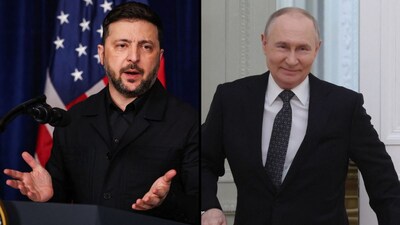
- •A peace agreement would immediately lower geopolitical risk premiums, but long-term changes to trade routes, defense spending, and energy alliances are likely permanent.
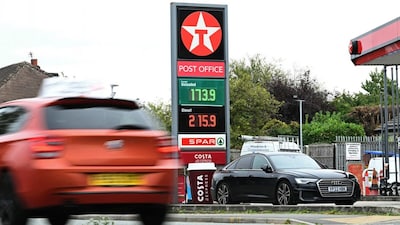
- •Ending the conflict would remove the ‘war premium’ from energy pricing, though a full return to pre-war status is unlikely; Europe's pivot from Russian energy is structurally locked in.
- •Resolution would stabilize global food security, particularly for vulnerable regions, by restoring Black Sea shipping and stabilizing fertilizer supplies.
- •Reclaiming Ukrainian agricultural land faces massive challenges, including clearing landmines, restoring silos, and addressing labor shortages.
- •The defense sector will not see an immediate contraction; NATO members' increased defense spending and the need to replenish depleted Western military stockpiles will sustain demand for years.
Key Questions Answered
An end to the conflict would immediately remove the war premium from energy pricing, causing a sharp, short-term decline in crude oil prices. However, Europe's structural pivot away from Russian piped gas toward US LNG and Middle Eastern suppliers is permanently locked in, and Western sanctions on Russian energy will likely be dismantled very slowly.
A resolution would significantly stabilize global food security by restoring safe commercial shipping in the Black Sea, driving down global food inflation and stabilizing supplies of wheat, corn, barley, and sunflower oil. Additionally, peace would stabilize global fertilizer supplies of potash and ammonia from Russia and Belarus, lowering input costs for farmers worldwide.
No, because the defense sector operates on multi-year procurement cycles and NATO members have permanently adjusted their baseline defense targets to spend at least 2% of GDP on defense. Western military stockpiles are severely depleted, meaning defense contractors will see sustained demand for the next 5 to 10 years to replenish domestic inventories and shift priorities toward electronic warfare and drone fleets.