Stories
Europe Refused US Push for Tariffs on India and China Over Russian Oil Says Scott Bessent

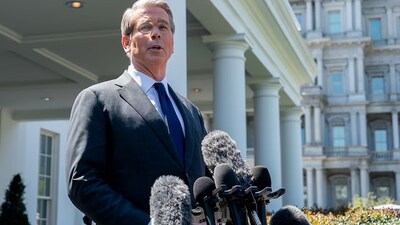
- •US Treasury Secretary Scott Bessent stated that European countries declined Washington's request to impose secondary tariffs on India and China for purchasing Russian oil.
- •Bessent questioned why the United States should solely shoulder the economic burden of pressuring Moscow when European nations continue to import Russian energy.
- •Data highlighted by Bessent showed that European nations received 136 out of 140 shipments from Russia's Yamal facility worth over USD 8 billion in the first six months of the year.
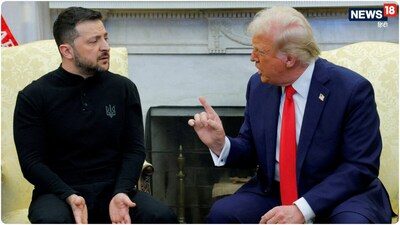
- •US President Donald Trump temporarily waived certain sanctions and tariff provisions under the Graham bill, granting a 60-day window to evaluate economic impacts.
- •US Secretary of State Marco Rubio acknowledged India's status as an important ally and noted that Washington must factor in its energy needs before applying sanctions.
Key Questions Answered
European countries refused Washington's request to place secondary tariffs on India and China for purchasing Russian oil, prompting Treasury Secretary Scott Bessent to question why the United States should bear the economic pressure on Moscow alone.
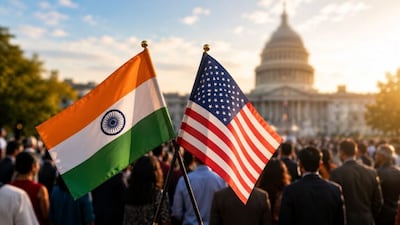
The legislation provides the US administration with a 60-day window to evaluate economic consequences. It would allow tariffs of up to 100% on goods imported from the top five importers of Russian crude oil or natural gas, including India and China.
Marco Rubio described India as a crucial ally and noted that Washington must account for its energy requirements prior to implementing tariffs or sanctions. He also pointed out that while countries like India have diversified their energy supplies, they cannot immediately halt imports of Russian energy.